Crocodile Safety On Rainforest River Tubing Trips
The crocodile question comes up before almost any other for visitors booking a float near Cairns. The answer sits in official state advice rather than in tour marketing, and it deserves to be read in full before you commit to a river day.
Short answer
Queensland Government advice under Be Crocwise is to treat all waterways as Croc Country: no waterway within the natural range of crocodiles is without crocodile risk. The tubing day runs on the Mulgrave River or Behana Gorge, chosen on the day by the operator, from US$60 per person plus a river levy.
The crocodile question is the one that stops many travellers at the checkout screen. Queensland is crocodile habitat, and the state government's Crocwise advice is direct: treat all waterways as Croc Country, because no waterway within the animals' natural range is without crocodile risk. Plan any river day on that basis. Queensland Government and Queensland Parks guidance treats every waterway in crocodile country as potential habitat, the Mulgrave River sits within state crocodile management zones, and tubing operator Foaming Fury sets out how each trip runs and when it moves rivers or cancels.
The tubing day itself is the Rainforest River Tubing From Cairns trip, run under the Foaming Fury and Aussie Drifterz brand names, both of which belong to one company, Cairns Adventure Group. It runs from US$60 per person, carries a 4.7 rating from 630 reviews, and includes hotel pickup from Cairns and the Northern Beaches. All amounts on the page are in US dollars, and the operator adds a river levy of A$20 per person, paid on board, which sits outside the from-price.
Where The Tubing Rivers Sit In Crocodile Country
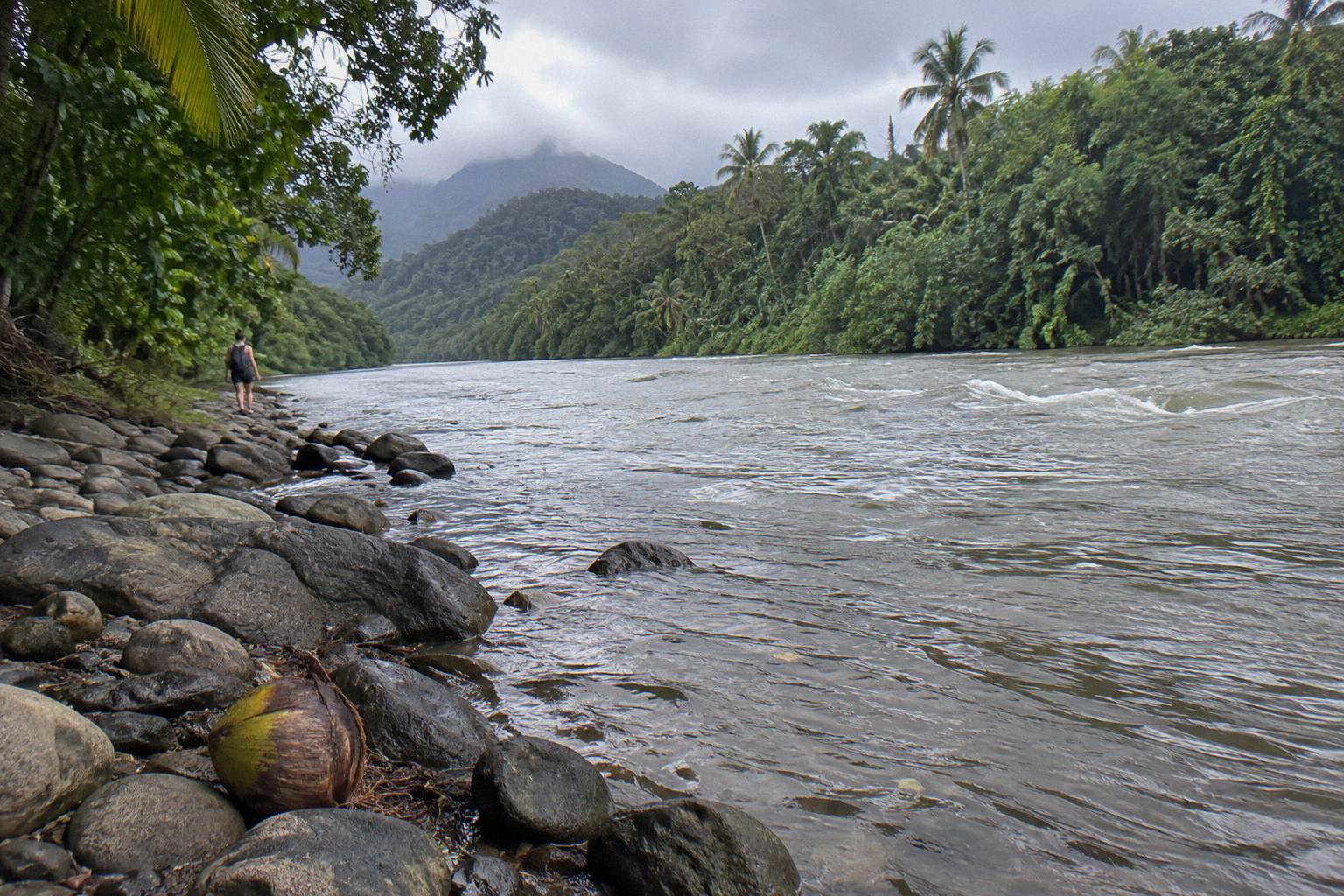
Cairns sits inside the natural range of estuarine crocodiles, and Queensland Government advice applies to every waterway in that range, including the freshwater rivers of the rainforest hinterland. The tubing day uses the Mulgrave River or Behana Gorge, and the operator picks the river on the day according to conditions. Neither river carries a special exemption from the state's Croc Country advice, and no traveller should expect one.
The starting point for any crocodile conversation in northern Queensland is the Be Crocwise campaign run by the state government. Its core instruction is to treat all waterways as Croc Country, whether a river looks calm, busy, familiar or remote. The Queensland Government's Be Crocwise advice: treat all waterways as Croc Country, since no waterway within crocodiles' natural range is without crocodile risk. That sentence is the frame for everything else on the page: it applies to the Mulgrave, to Behana Gorge, to the Barron River downstream of the gorge, and to every swimming hole and creek crossing between Cairns and the Daintree.
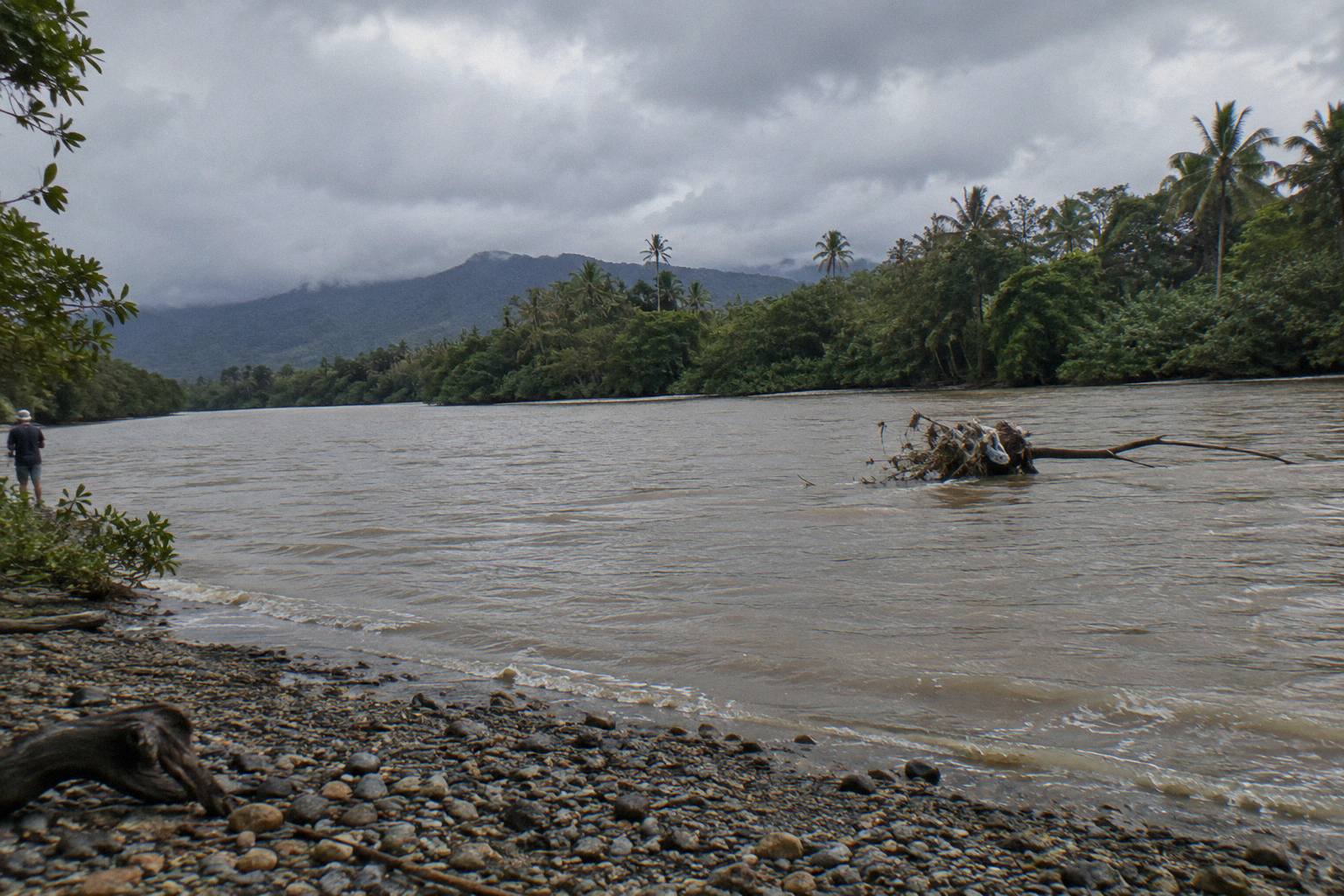
That official sentence is where Cairns River Tubing starts every river recommendation, because it applies to a rainforest creek the same as to an estuary. Queensland's approach is targeted management, not a promise of safety. The state runs a crocodile management plan under which certain waterways carry targeted removal zones, and the Mulgrave River is one of them. The operator of the tubing day, meanwhile, describes the trip as a guided activity on rivers it uses regularly, with certified guides and a minimum of two guides on the water. Those are two different kinds of statement, one from a regulator about a habitat and one from an operator about how a tour is run, and both belong in the picture a traveller builds before booking.
The practical takeaway for a nervous reader is straightforward. Read the official advice first, read what the operator says about how the day is run second, and ask the operator any remaining question directly before you travel. A fuller walk through the wildlife question, including what the trip pages do and do not say about animals on the river, sits in the guide to what wildlife you may encounter while river tubing.
What Queensland Government Says About Crocodiles And Inland Waterways
The state's Be Crocwise advice is unambiguous: treat all waterways as Croc Country, because no waterway within the natural range of crocodiles is without crocodile risk. The Be Crocwise advice that follows from it tells residents and visitors to treat all waterways as Croc Country, to read warning signs, and to never swim in water where crocodiles may live, even where no sign is present.
The Queensland Government publishes its crocodile advice through the Be Crocwise program, which covers how estuarine crocodiles use habitat, why apparently isolated or landward waterways still count, and what people should and should not do around them. The advice exists precisely because crocodiles move between river systems, estuaries and the open coast, and because a waterway with no recent sighting history is not the same as a waterway without crocodiles. For a visitor planning a freshwater day out, the relevant instruction is the blanket one: treat all waterways as Croc Country.
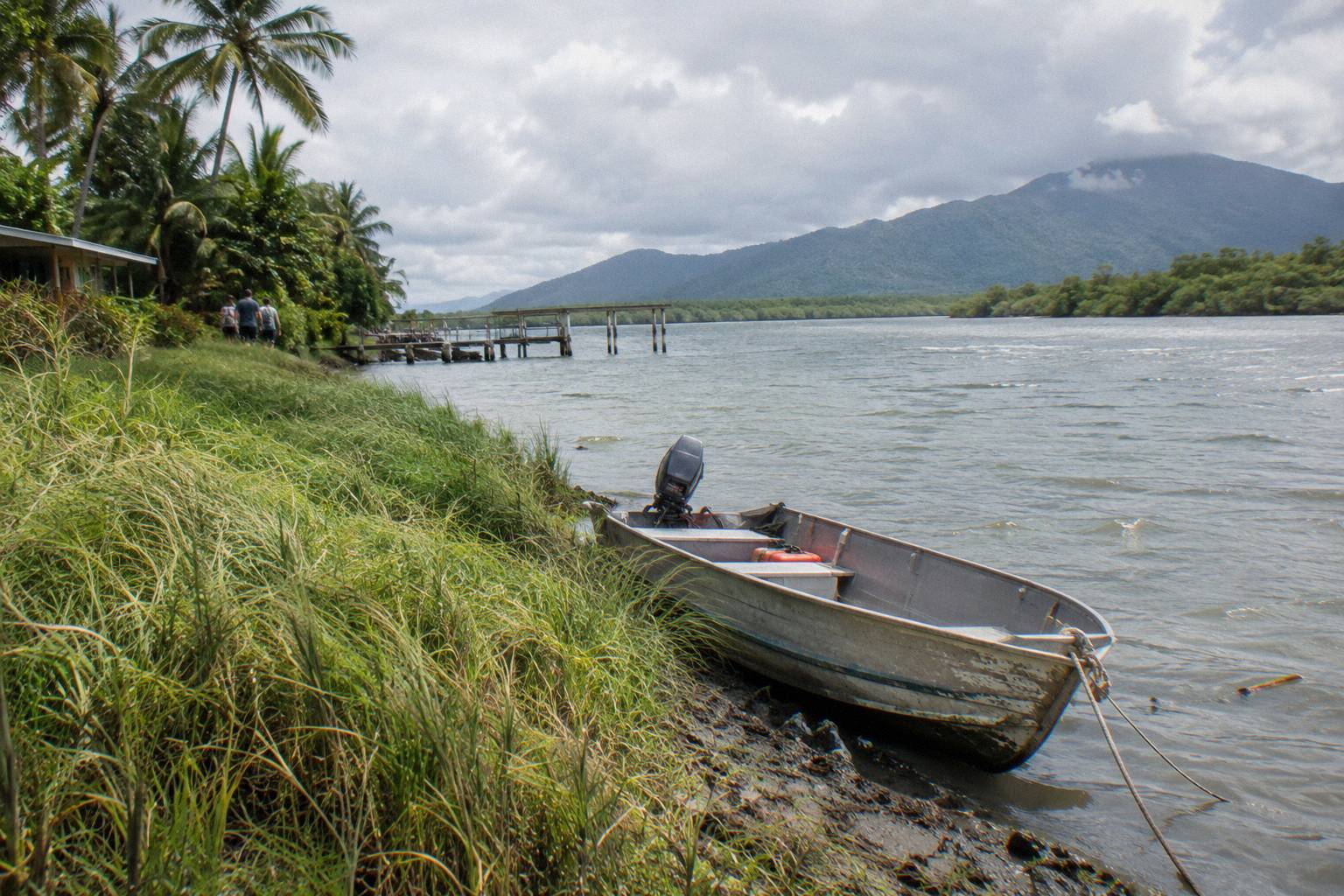
Queensland Parks adds a second layer of official wording that applies to the national parks of the region. For the Daintree National Park, which includes Mossman Gorge, the parks service says to never swim in water where crocodiles may live, even if there is no warning sign present. For Barron Gorge National Park, the parks service notes that estuarine crocodiles live in waterways of the lower section of the park. That is the official record for the two gorge areas nearest the tubing rivers, and it is the reason no page here advises swimming in any unpatrolled waterway.
The table below gathers the official statements a crocodile-aware traveller should read, with the source for each. Every line is quoted or closely paraphrased from a government page; nothing in it is tour marketing.
| Source | What It Says | Where It Applies |
|---|---|---|
| Queensland Government, Be Crocwise | Treat all waterways as Croc Country; no waterway within crocodiles' natural range is without crocodile risk | Every waterway in northern Queensland |
| Queensland Government, crocodile management zones | The Mulgrave River carries three targeted crocodile removal zones, at Greenpatch, Peets Bridge and the Little Mulgrave River | The Mulgrave River catchment |
| Queensland Parks, Barron Gorge | Estuarine crocodiles live in waterways of the lower section of Barron Gorge National Park | Barron Gorge National Park |
| Queensland Parks, Daintree | Never swim in water where crocodiles may live, even if there is no warning sign present | Daintree National Park, including Mossman Gorge |
| Queensland Parks, water safety | Rivers and creeks may contain hidden dangers and are not patrolled by lifesavers | All parks and reserves |
The official source pages for crocodile advice and management zones are published by the Queensland Government at Be Crocwise top tips and crocodile management zones. Reading both takes ten minutes and answers most of what a first-time visitor to the tropics wants to know before a river day.
The Three Mulgrave River Crocodile Management Zones
The zones matter to a tubing reader for a reason that is easy to misread. A removal zone does not reduce the standing official advice for the river; it exists because the river is crocodile habitat close to settled areas and recreation sites. Queensland Government material on management zones explains that the plan divides the state into different management regimes and that targeted removal applies where crocodiles pose a particular level of concern. The Mulgrave's three zones reflect how the state administers that habitat, nothing more and nothing less.
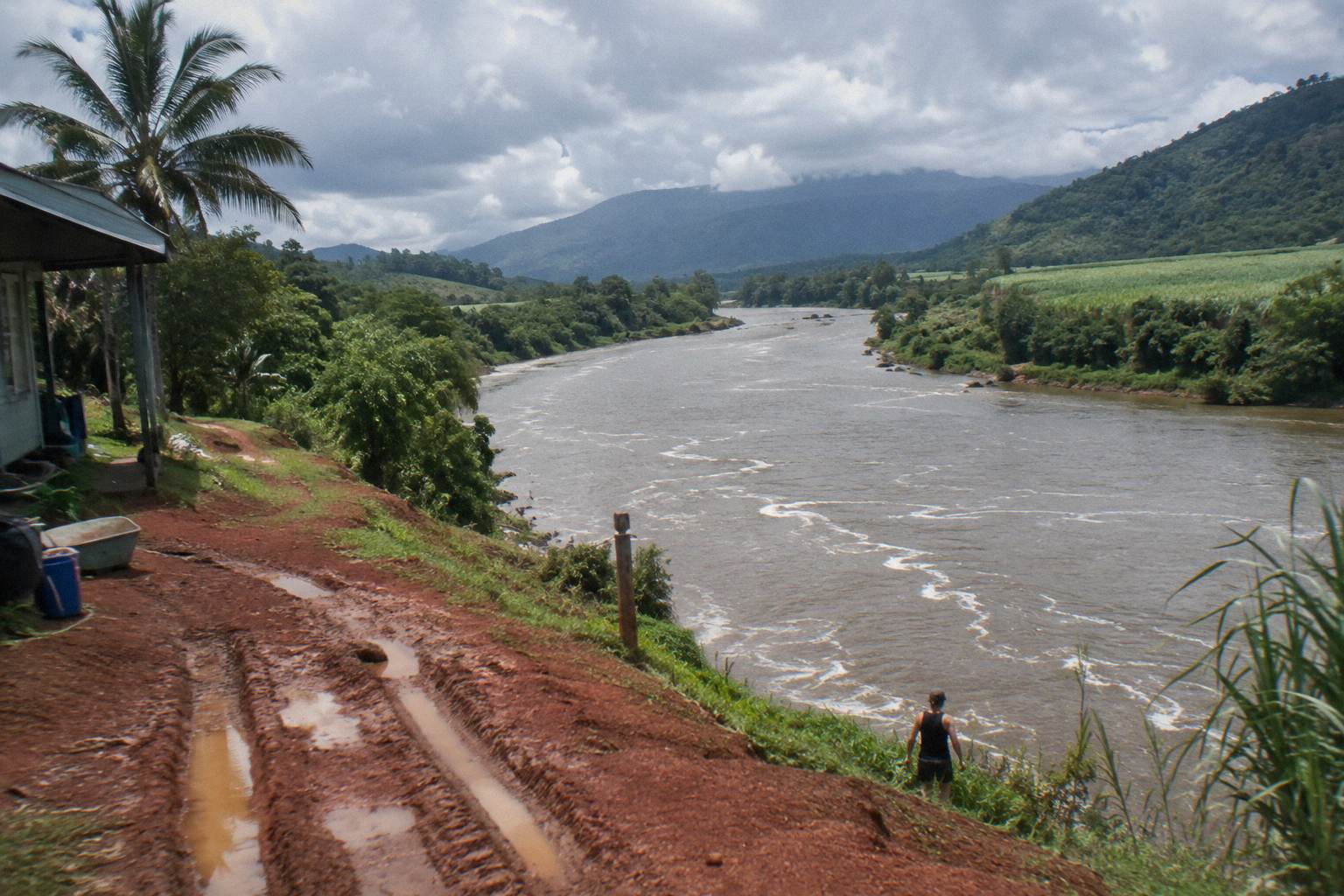
For the tubing day, the zones are background context rather than a daily variable. The operator states that the tour runs on the Mulgrave River or Behana Gorge and that the river used is chosen on the day depending on conditions. It also states that tours operate in most conditions, and that if river levels or weather the operator judges unsuitable occur, it contacts guests before departure to discuss rescheduling or an alternative. The management zones, in other words, sit behind the trip rather than on top of it; the operator's day-to-day decision is driven by river levels and weather.
That division of labour is worth spelling out, because nervous readers sometimes look for a single authority to settle the question. The state manages crocodiles across whole catchments. The operator decides whether a specific trip runs on a specific day on a specific river. Neither offers a promise about the other's domain, and a traveller who understands that split reads both sources correctly. The full picture of seasonal water behaviour is in the guide to wet and dry season timing for a tubing day, and the route detail sits in the guide to the Mulgrave River route and who it suits.
For readers weighing the tubing day against a calmer water-based outing, the comparison pair worth reading is tubing against drift snorkelling, which sets out how the two floats differ.
The three days above are the core river options from the one operator group behind Foaming Fury and Aussie Drifterz: the half-day float, the full-day pairing of tubing with Barron Gorge rafting, and the tubing and jet boating combination. Each is a guided trip on the same decision logic of river, conditions and season.
Which River The Tubing Day Uses And How The Operator Chooses
The tubing trip runs on the Mulgrave River or Behana Gorge, and the choice is made on the day by the operator according to conditions. The operator describes the Mulgrave as a freshwater river that flows all year, with a catchment of Bellenden Ker and Bartle Frere, the area it calls Australia's highest rainfall area. No fixed river is promised at booking.
The reason the choice is made late is rainfall. A catchment the operator describes as the country's wettest can push river levels up or down quickly, and a river that suits a family float at one level can be the wrong choice at another. The operator states that itineraries are subject to change for weather, river and road conditions, and that where river levels or unsuitable weather occur, guests are contacted before departure to discuss rescheduling or an alternative. That clause is the practical mechanism behind the two-river design: rather than promising one river and hoping, the trip holds two options and picks on the day.
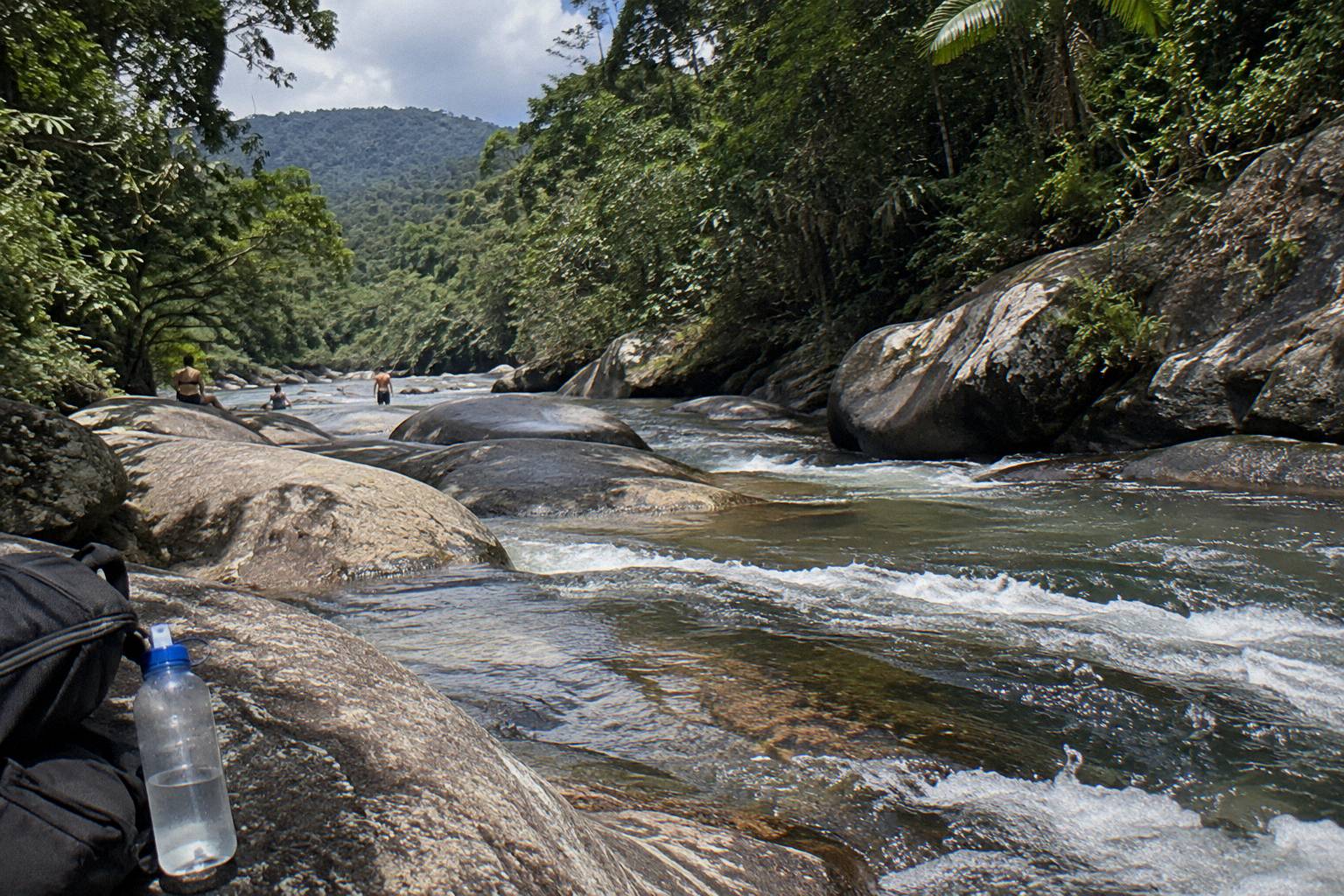
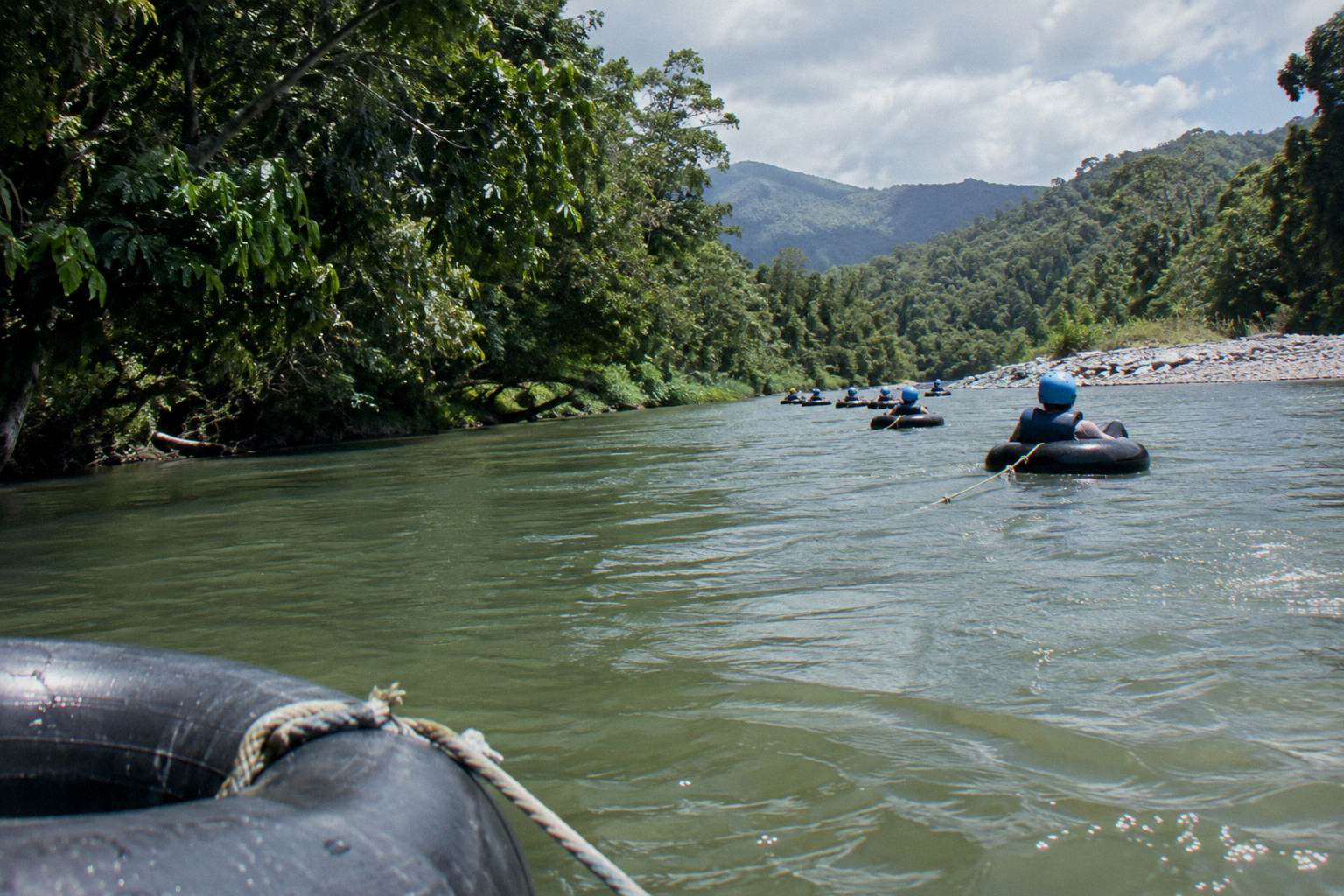
The trip structure, as the operator describes it, is built around guidance rather than around independent floating. The day runs about 4.5 hours door to door including transfers, with the operator's own page putting time on the river at 1.5 to 2 hours depending on river and water level. Guests use twin-chamber tubes, there is a minimum of two guides on the water, and guides hold International Rafting Federation certification along with river rescue and first aid training. The operator describes the water as small fun rapids and calm water, and says no previous tubing experience or swimming ability is required, adding that the tour suits confident non-swimmers and that comfort in water and following guide instructions is important.
Minimum age is 5, under 18s travel with a guardian or adult, and the trip is not suitable for pregnant guests or wheelchair users, with back problems flagged as not recommended. A liability waiver is required. Anyone with a medical question should check with their doctor and tell the operator when booking; that pairing is the right process for every trip on the page, and the same advice appears in the guide covering tubing with pregnancy or medical conditions.
The tour page for the trip, with the operator's full wording on rivers, guides and conditions, is the Rainforest River Tubing From Cairns day, and check availability shows the live dates and pickup details for your travel window. The operator runs morning pickup from Cairns and the Northern Beaches including Palm Cove, afternoon pickup from Cairns only, and the pickup time is confirmed after booking.
How The Operator Handles Weather, River Levels And Cancellations
The operator's stated weather policy is that tours operate in most conditions, and that where river levels or weather judged unsuitable occur, it contacts guests before departure to discuss options to reschedule or choose an alternative. The booking page carries free cancellation up to 24 hours, and the operator can cancel for bad weather or a small group.
Reading that policy correctly means noticing what it does and does not contain. It does not promise that a trip runs in any named condition, at any named river, or on any named schedule. It does set out a clear sequence: the operator watches conditions, makes the river choice on the day, and contacts guests before departure when something needs to change. For a traveller, the practical consequence is to keep a phone reachable on the morning of the trip and to treat the departure details shown during booking as the operator's plan rather than a fixed promise.
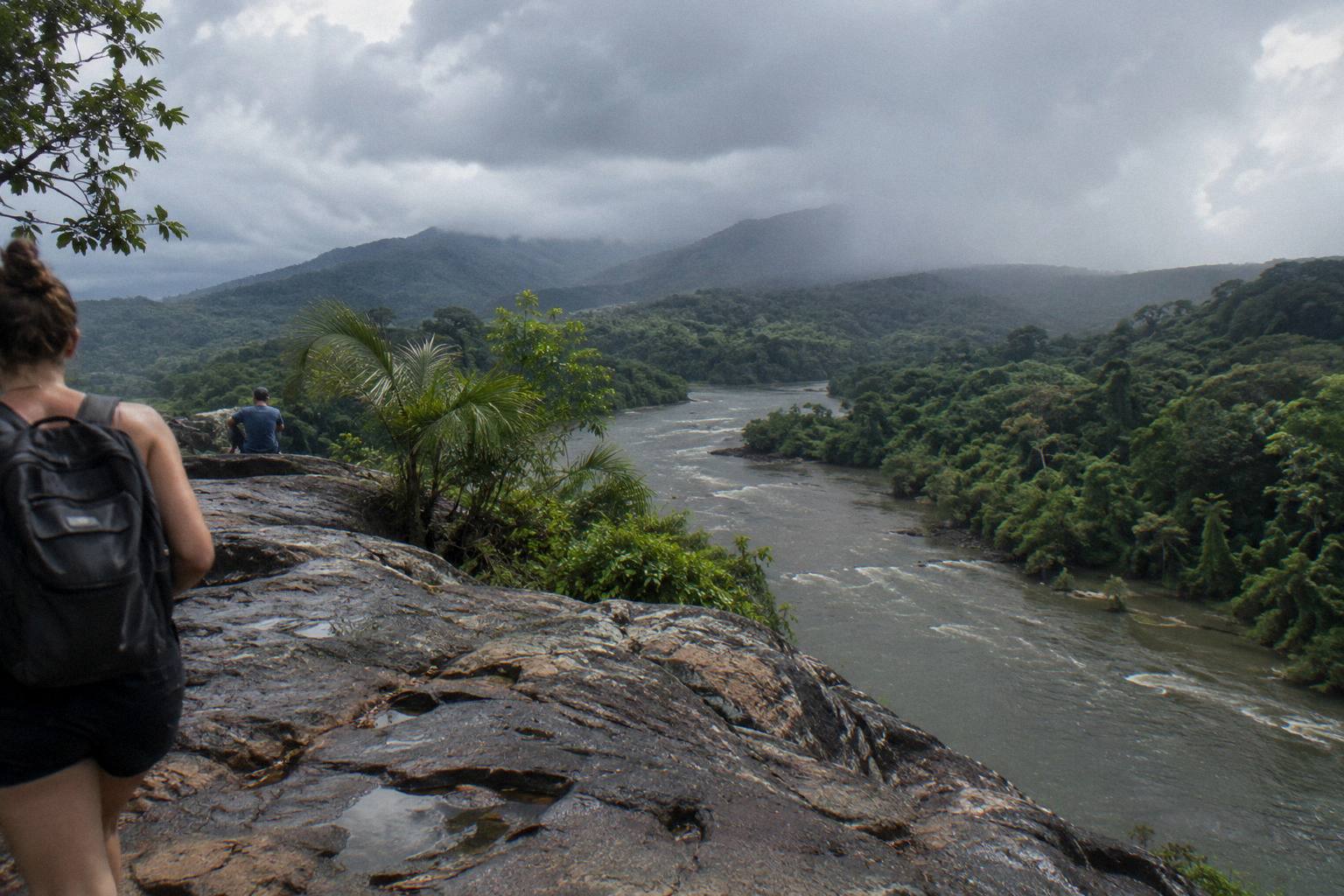
The cancellation terms follow the same logic. Free cancellation up to 24 hours applies on the booking page, and beyond that window the operator holds the ability to cancel or reshape a trip for bad weather or a small group. What a guest should take from that is a planning habit rather than a worry: book early enough to secure a seat, keep the 24 hour window in mind while finalising the wider itinerary, and expect the operator, not the calendar, to have the final word on the river used that day. The deeper seasonal picture, including what the wettest months mean for water levels, sits in the guide to wet and dry season timing.
The Bureau of Meteorology's Cairns Aero averages make the seasonal pattern plain: the wettest month averages 436.1 mm of rain against 26.9 mm in the driest month listed, with an annual mean of 2,019.1 mm. Queensland Parks describes the December to April period as bringing frequent heavy downpours with the possibility of thunderstorms and tropical cyclones around Barron Gorge. Rainfall records are published by the Bureau at its Cairns Aero climate averages table.
| Question Worth Asking The Operator | Why It Matters |
|---|---|
| Which river is running this week, and how is the level? | The Mulgrave or Behana choice is made on the day; a pre-trip call tells you the recent pattern. |
| What happens to my booking if the trip is cancelled? | The operator states rescheduling and alternatives are discussed; ask how each applies to your dates. |
| What footwear and clothing suit the conditions? | Secure footwear with a heel strap is the operator's stated requirement; shoe hire is A$5 a pair. |
| Is the levy payable in cash or card on board? | The river levy of A$20 per person is paid on the day; ask the payment method that suits you. |
| Are children in my group within the stated limits? | Minimum age 5 applies to the tubing day; under 18s travel with a guardian or adult. |
| Will pickup cover my accommodation? | Morning pickup covers Cairns and the Northern Beaches; afternoon pickup covers Cairns only. |
What The Trip Includes And What It Costs
The Rainforest River Tubing From Cairns day is priced from US$60 per person, with hotel pickup and an air-conditioned vehicle, a twin-chamber tube, safety equipment and a professional guide included. The river levy of A$20 per person is paid on board and is not part of the from-price, and shoe hire at A$5 a pair is available if required.
The inclusions list is short and worth reading closely, because two items sit deliberately outside it. The levy is charged by the operator and collected on the day, and the shoe hire exists because the operator requires secure footwear with a heel strap on the river. What to bring, in the operator's wording, is swimwear under clothes, a towel, a change of clothes, sunscreen, secure footwear and a water bottle, with jewellery left behind. A fuller packing rundown sits in the guide to what to wear and bring for river tubing.
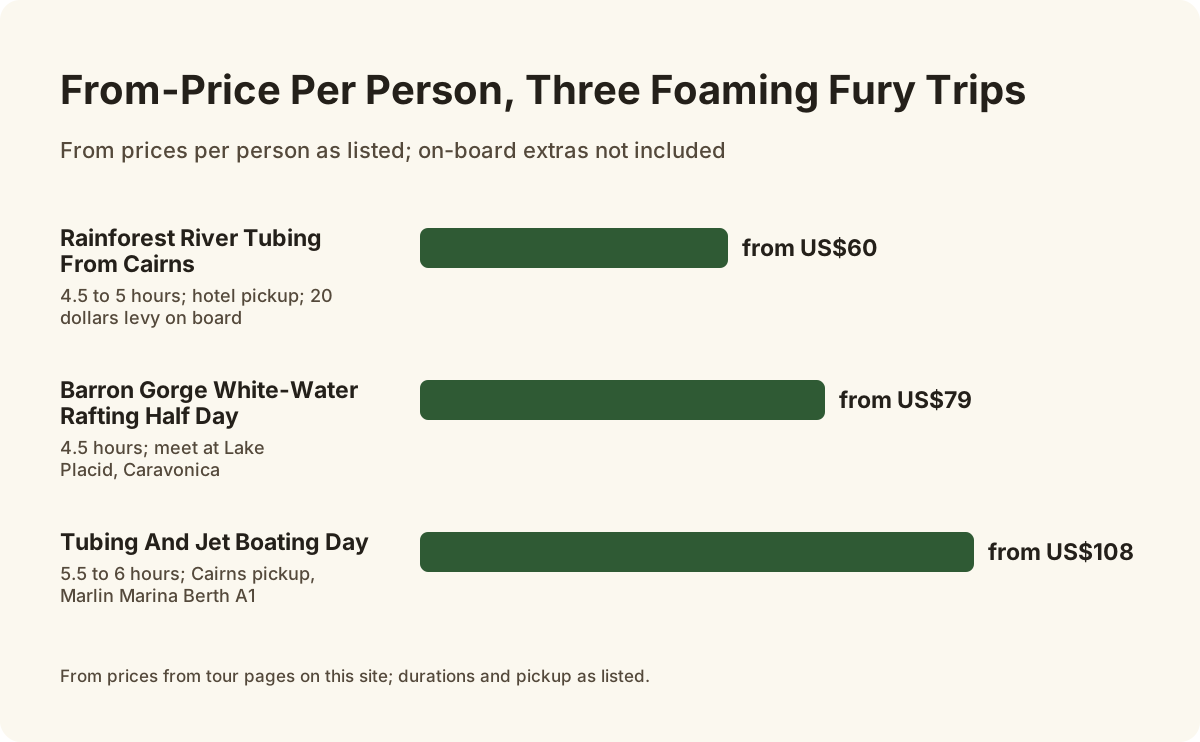
The wider set of river trips gives a useful price spread for anyone comparing options. All figures are booking-page from-prices per person in US dollars, and none includes the levy.
| Trip | Operator | From-Price Per Person | Duration | Pickup |
|---|---|---|---|---|
| Rainforest River Tubing From Cairns | Foaming Fury | from US$60 | 4.5 to 5 hours | Hotel pickup included |
| Barron Gorge White-Water Rafting Half Day | Foaming Fury | from US$79 | 4.5 hours | Meet at Lake Placid, Caravonica |
| Tubing And Jet Boating Day | Foaming Fury | from US$108 | 5.5 to 6 hours | Cairns pickup, Marlin Marina Berth A1 |
| Tubing And Barron River Rafting Full Day | Foaming Fury | from US$142 | 8 hours | Hotel pickup included |
| Waterfall Tour With Lunch | Cairns Adventure Group | from US$127 | 10 hours | Hotel pickup included |
| Explorer Tour Of Cairns Waterfalls | Cairns Canyoning Pty Ltd | from US$114 | 5 hours | Meet at Reef Fleet Terminal, Bay 7 |
| Mossman Gorge River Drift Day | Back Country Bliss Adventures | from US$192 | 8 to 10 hours | Port Douglas and Mossman pickup |
Foaming Fury, Aussie Drifterz and the Waterfall Tour With Lunch all sit inside the one Cairns Adventure Group company, so those five trips are one operator group rather than competing brands. Back Country Bliss Adventures runs the Mossman drift, and Cairns Canyoning runs the Explorer tour; none of the three companies is ranked against another anywhere on the page.
The tubing day carries a 4.7 rating from 630 reviews. No other trip above carries a printed rating or review count, so no comparison is drawn between them.
Rain, Season Timing And Why It Matters For River Conditions
The wettest month at Cairns Aero averages 436.1 mm of rain against 26.9 mm in the driest listed month, and Queensland Parks puts the heavy downpour period at December to April. Rainfall of that scale changes river levels fast, which is exactly why the tubing day holds two rivers and chooses on the day rather than committing to one.
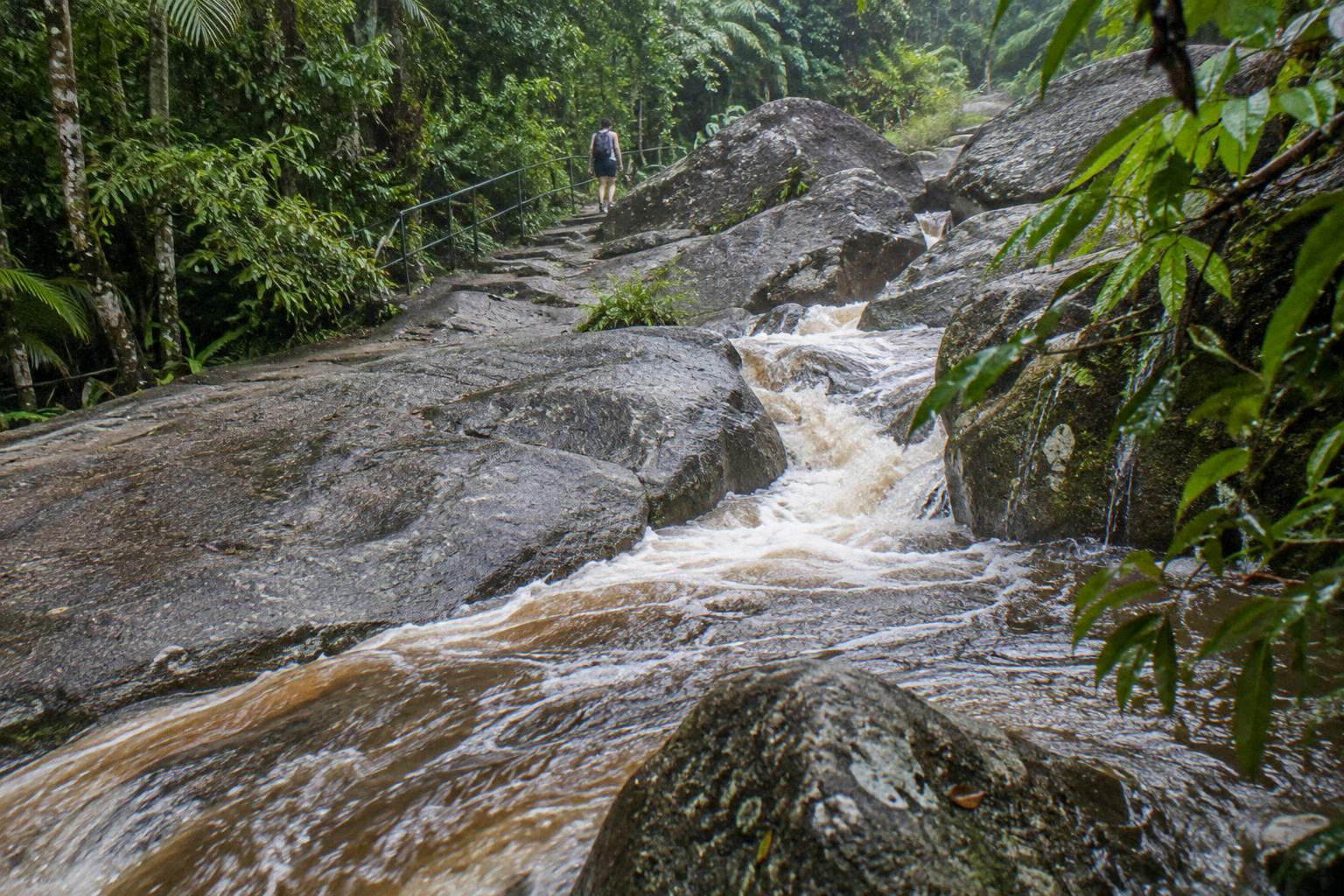
The seasonal rhythm of the Cairns region is not a gentle gradient. The Bureau's monthly means climb steeply from the drier middle of the year into a wet season that peaks in the first quarter, and the catchments feeding the tubing rivers sit in country the operator describes as the highest rainfall area in Australia. A river that behaved one way last month can behave differently this month, and the parks service warns that during and after heavy rain, creek conditions can change and become dangerous, with fast flowing, rapidly rising water.
For a traveller, that seasonal reality converts into three planning habits. First, hold the itinerary loosely around the wettest months and keep a backup activity in mind. Second, expect the operator's pre-departure contact to be the moment the river choice becomes real for your date. Third, treat every unpatrolled waterway with the respect the official warnings ask for, regardless of season. The Queensland Parks water safety page states the standing warning that rivers and creeks may contain hidden dangers and are not patrolled by lifesavers.
Official Swimming Warnings At Nearby Freshwater Spots
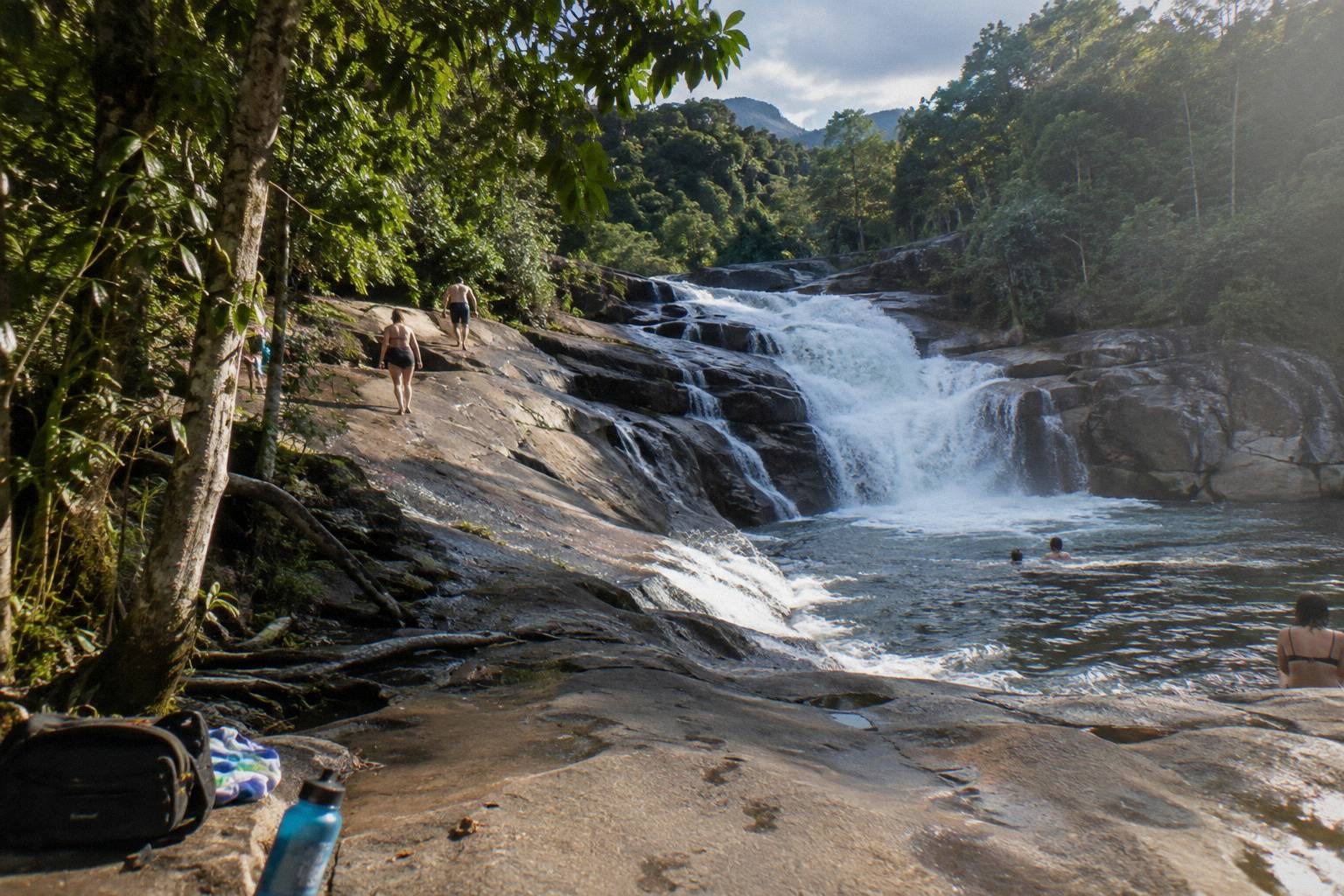
Queensland Parks states that swimming at Mossman Gorge at any time can be dangerous and that people have died there, with the direct instruction not to enter the water. At Josephine Falls the official wording is a danger sign for unpredictable water conditions, because flash flooding can occur at any time of the year. Both warnings are quoted here as official statements, and neither spot is recommended for swimming.
These warnings belong on a crocodile-and-rivers page because travellers often stitch a tubing day together with visits to nearby freshwater sights. The Mossman Gorge warning is explicit about mechanisms: water levels can rise rapidly without warning, with strong currents, deep water and submerged boulders, and the instruction extends to not jumping or diving. The Josephine Falls warning is about sudden flooding rather than daily conditions. Neither is a seasonal caution that a dry week switches off. The official pages are the Queensland Parks Mossman Gorge day-use area page and the Josephine Falls park page.
The drift trip that operates around Mossman, the Mossman Gorge River Drift Day run by Back Country Bliss Adventures, is a guided commercial activity and is not the same thing as independent swimming at the gorge; where on the Mossman River the drift runs is a detail to confirm with the operator. The comparison between the two experiences is laid out in the guide to Mossman Gorge versus a guided river drift. Babinda Boulders, a swimming spot and picnic area on Babinda Creek with toilets, barbecues and a 72 hour unpowered campsite, is administered by Cairns Regional Council, which advises contacting the council for swimming rules and conditions. The full set of official statements is gathered below.
| Location | Official Statement | Source |
|---|---|---|
| Mossman Gorge | Swimming at any time can be dangerous; people have died here; do not enter the water | Queensland Parks |
| Josephine Falls | Danger: unpredictable water conditions; flash flooding can occur at any time of year | Queensland Parks |
| Barron Gorge National Park | Estuarine crocodiles live in waterways of the lower section of the park | Queensland Parks |
| Daintree National Park | Never swim in water where crocodiles may live, even if there is no warning sign present | Queensland Parks |
| All Queensland waterways | Treat all waterways as Croc Country: no waterway within crocodiles' natural range is without crocodile risk | Queensland Government |
| Rivers and creeks in parks | May contain hidden dangers and are not patrolled by lifesavers | Queensland Parks water safety |
Common Mistakes When Planning A River Day Around Crocodiles
The recurring mistakes are treating a removal zone as a clearance certificate, expecting a booking to lock in a river, and reading tour inclusions as a substitute for the official Croc Country advice. A traveller who reads the state's own wording, asks the operator the river and conditions question directly, and keeps the 24 hour cancellation window in view has the planning side covered.
The first mistake is the most common. Learning that the Mulgrave carries targeted removal zones, some readers conclude the river is managed clear of crocodiles. The state's own advice runs the other way: treat all waterways as Croc Country, because no waterway within crocodiles' natural range is without crocodile risk. The zones exist because the river is crocodile habitat near settled areas. The correct reading of a removal zone is administrative management of a habitat, not a promise about any stretch of water.
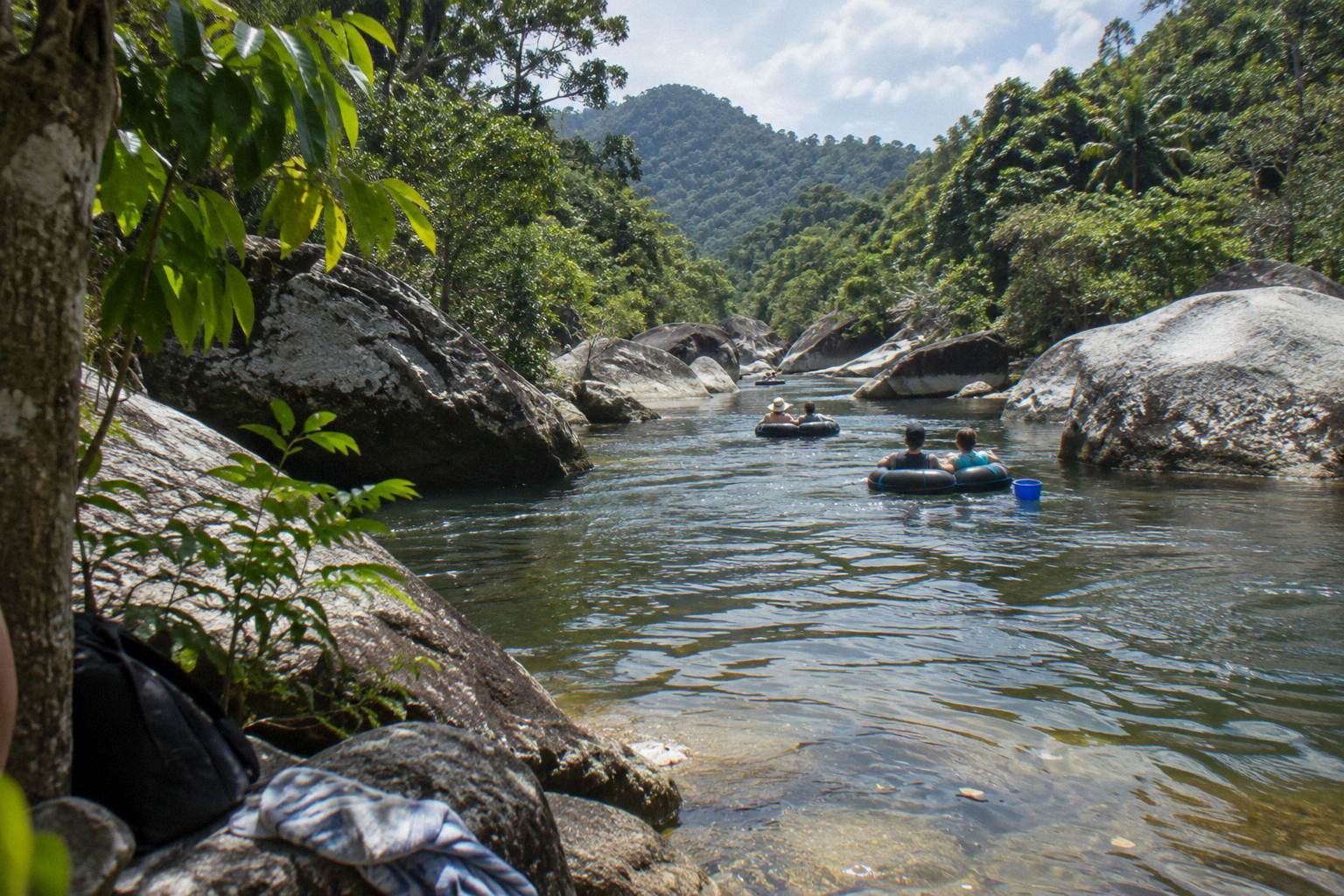
The second mistake is locking onto one river before the day. Bookings are made for the trip, not for a named river, and the operator states the choice between the Mulgrave and Behana Gorge is made on the day. Travellers who build a rigid itinerary around a specific river are setting up a disappointment the booking terms never supported. The third mistake is assuming gear and guides settle the crocodile question. Guides, twin-chamber tubes and rescue training are how the operator says the trip is run; the Be Crocwise advice is how the state says the habitat behaves. Both statements stand, and neither replaces the other. A reader working through family logistics should also check the guide to age limits and tips for tubing with kids, since minimum age 5 and the guardian rule for under 18s shape who can go.
The half-day float remains the most direct way to see how a guided rainforest river day actually runs: pickup from Cairns and the Northern Beaches, about 4.5 to 5 hours door to door, and the river chosen on the day.
For travellers based in Port Douglas rather than Cairns, the Mossman drift is the option with pickup from Port Douglas and Mossman, at from US$192 per person over 8 to 10 hours, and it is run by a separate operator, Back Country Bliss Adventures.
How The Different River Trips Compare For A Nervous First Timer
The gentlest entry point on paper is the half-day tubing float at from US$60 per person, which the operator says requires no previous tubing experience or swimming ability and suits confident non-swimmers. The rafting half day at from US$79 per person shares the guided structure on the Barron River, while the combo days stack two activities into one booking for travellers who want a bigger day.
Choosing between them is mostly about appetite and schedule rather than about crocodiles, because the official advice applies to every waterway in the range regardless of which trip you pick. The tubing day is the shortest commitment at 4.5 to 5 hours door to door, with hotel pickup included. The Tubing And Barron River Rafting Full Day at from US$142 per person pairs the float with a rafting leg on the Barron over 8 hours. The Tubing And Jet Boating Day at from US$108 per person runs 5.5 to 6 hours with Cairns pickup and a jet boat leg joined by making your own way to Marlin Marina Berth A1; its start dates are fixed, so check the dates on the booking page, and confirm children's ages with the operator.
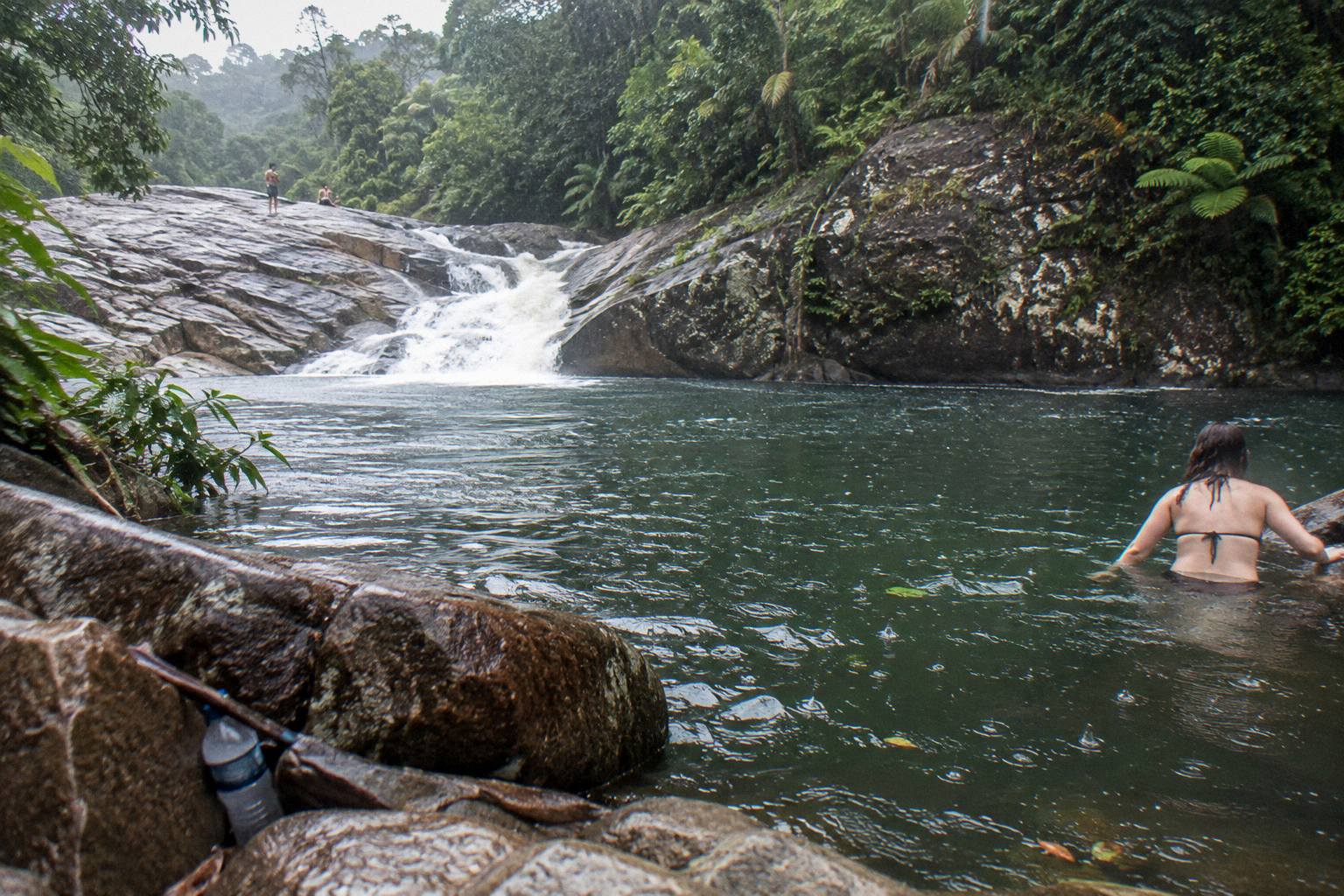
The waterfall days round out the options for anyone whose interest in water is more scenic than in-river. The Waterfall Tour With Lunch from Cairns Adventure Group runs 10 hours at from US$127 per person, with hotel pickup and drop-off, and names its stops: Cathedral Fig Tree with a cultural presentation, Lake Eacham, Millaa Millaa Falls, Mungalli Falls, Josephine Falls and Babinda Boulders. Lunch plus morning and afternoon tea are included; drinks and snacks are not. The Explorer Tour Of Cairns Waterfalls, 5 hours at from US$114 per person, has no pickup and meets at Reef Fleet Terminal Bay 7. Its stops are Cairns Botanic Gardens, Crystal Cascades, Behana Gorge and Walsh's Pyramid, with light snacks included and other food and drink available to buy along the way. The trade-offs between the tubing float and the rafting half day are worked through in the guide to tubing versus white-water rafting for beginners.
A nervous first timer can reasonably take this route: read the Be Crocwise advice, book the half-day float inside the free 24 hour cancellation window of the wider itinerary, ask the operator the river and conditions question a day or two ahead, and keep the phone reachable on the morning. That sequence uses every safeguard the official and operator sources actually offer, without expecting a promise nobody in the system makes.
Common Questions About Crocodiles And Rainforest River Tubing
Are There Crocodiles In The Tubing Rivers?
The Queensland Government's Be Crocwise advice is to treat all waterways as Croc Country, because no waterway within the natural range of crocodiles is without crocodile risk. That advice applies to the Mulgrave River and Behana Gorge the same as everywhere else in the region.
What Are The Mulgrave River Crocodile Management Zones?
Under the state crocodile management plan, the Mulgrave River carries three targeted crocodile removal zones, at Greenpatch, Peets Bridge and the Little Mulgrave River. The zones are a management tool for a crocodile habitat, not a statement that the river is clear of crocodiles.
Which River Does The Tubing Tour Use?
The tour runs on the Mulgrave River or Behana Gorge, and the operator chooses the river on the day depending on conditions. No fixed river is promised at the time of booking.
What Happens If Conditions Change On The Day?
The operator states that tours operate in most conditions, and that where river levels or unsuitable weather occur it contacts guests before departure to discuss options to reschedule or choose an alternative. The booking page carries free cancellation up to 24 hours, and the operator can cancel for bad weather or a small group.
Can Non-Swimmers Do The Tubing Trip?
The operator says no previous tubing experience or swimming ability is required and that the tour suits confident non-swimmers, adding that comfort in water and following guide instructions is important. Anyone with a medical question should check with a doctor and tell the operator when booking.
Is There An Extra Charge On The Day?
Yes. The operator charges a river levy of A$20 per person, paid on board, which is not part of the from US$60 price. Shoe hire is available at A$5 a pair, since secure footwear with a heel strap is required on the river.