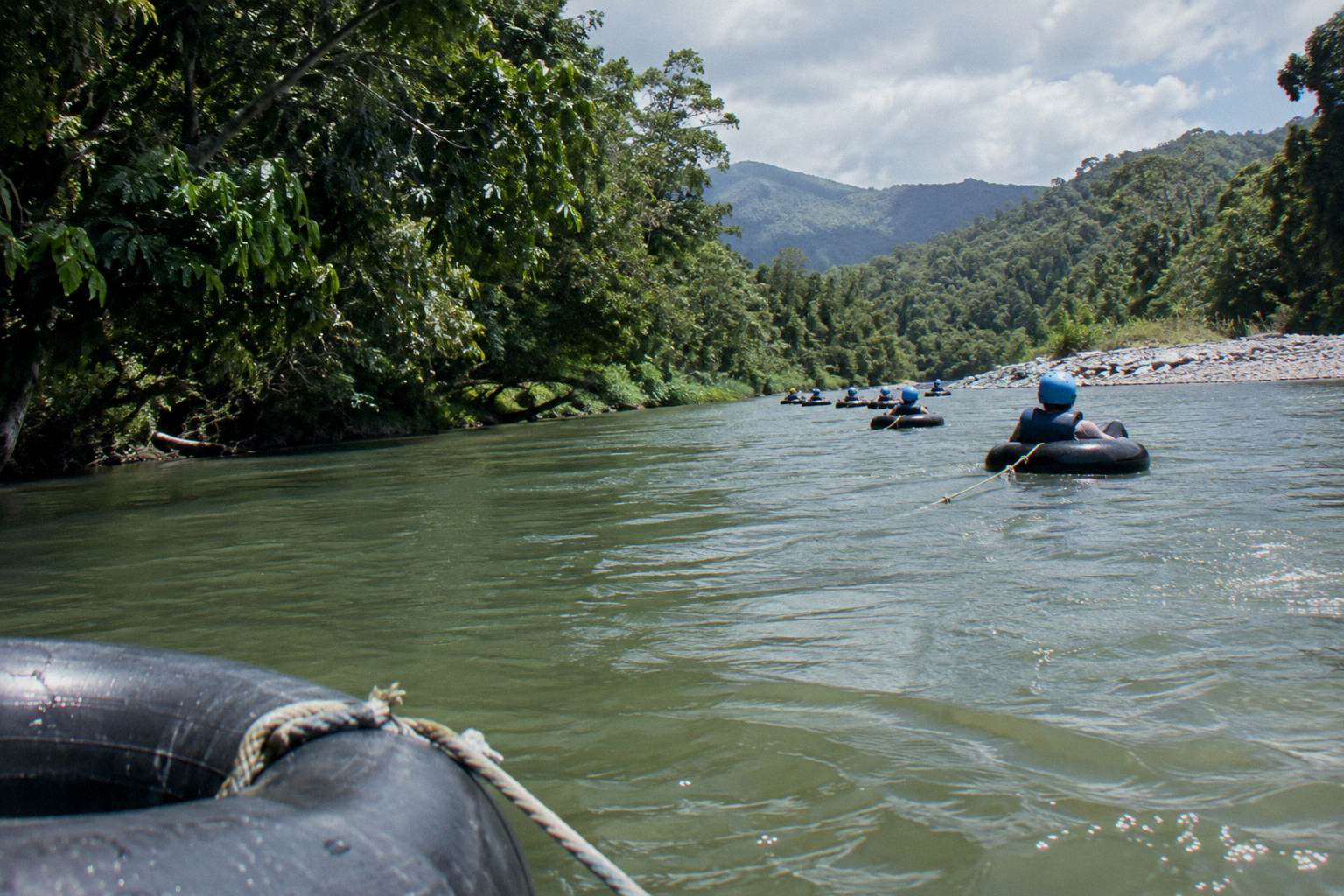
What Wildlife Might You See While River Tubing In The Rainforest?
No operator promises a wildlife sighting on a rainforest tubing day. What the rivers, the official crocodile advice and the booking pages actually say, plus what to ask before you book.
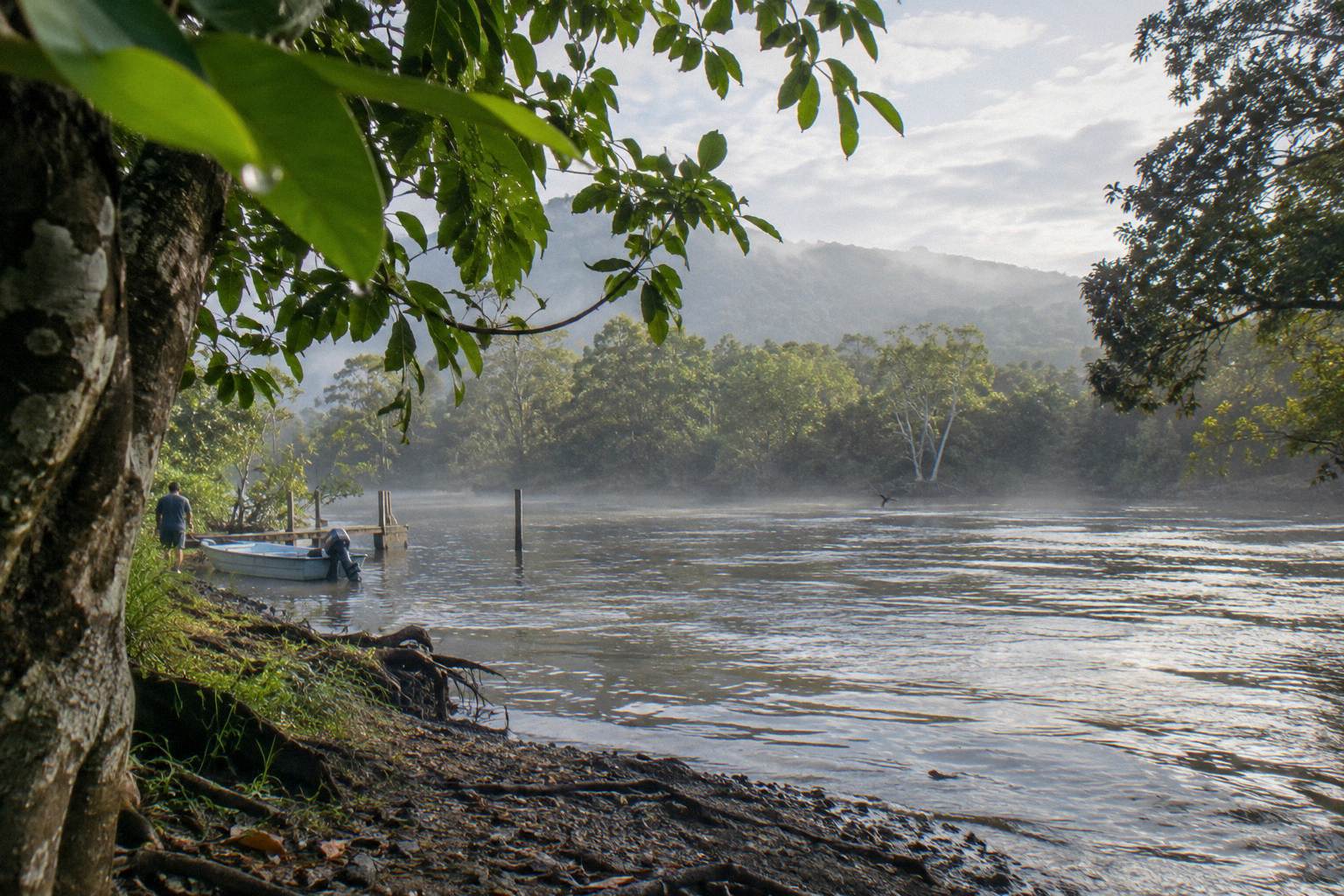
No operator promises a wildlife sighting on a rainforest tubing day, and none publishes a list of animals you might encounter. The booking pages for the tubing, drift and combo trips describe the rivers, the rainforest setting and the guides, and they leave animal encounters entirely to chance. Treat wildlife as a possible bonus of the setting rather than a feature of the trip, and plan around the river day itself.
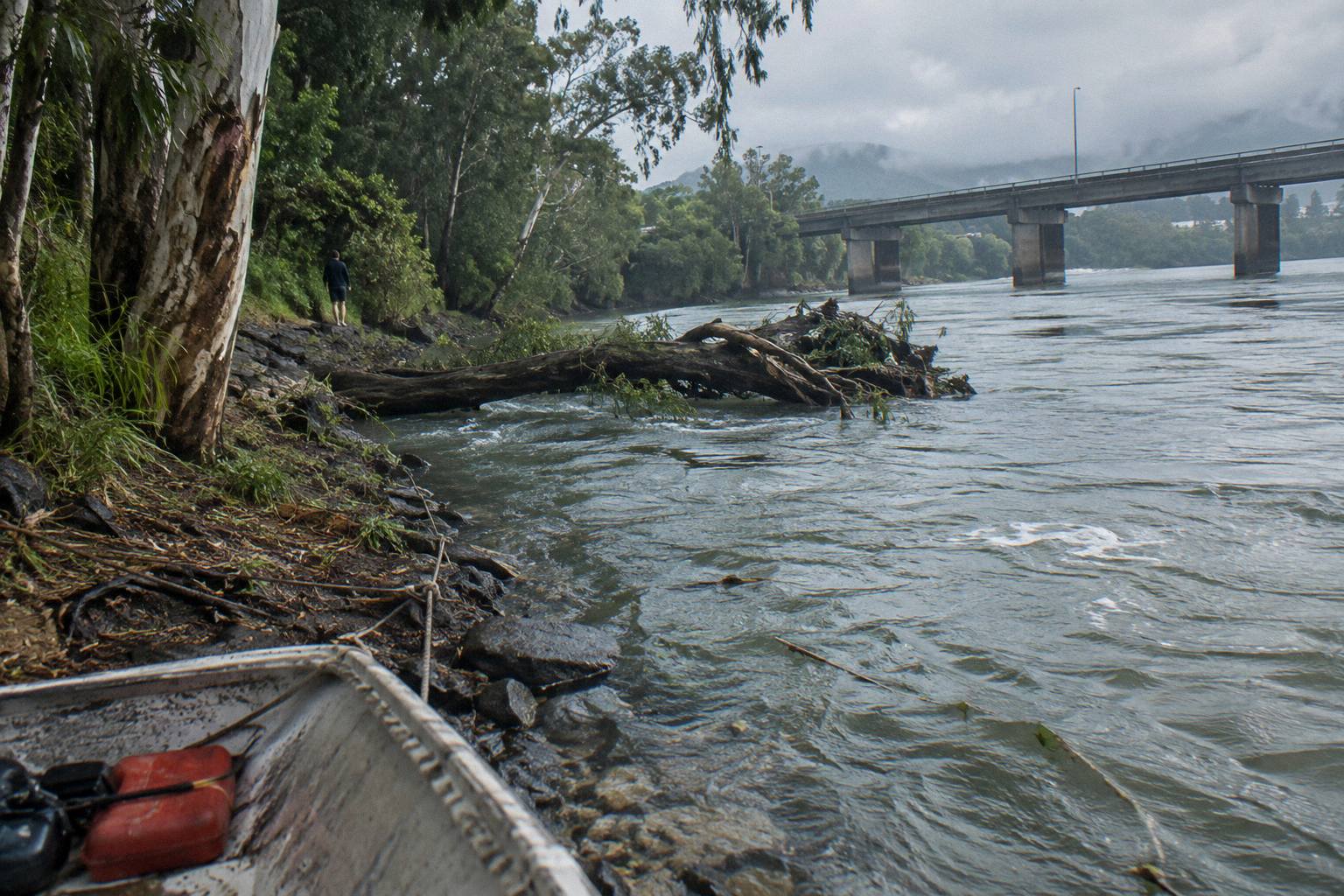
That framing matters because the question usually arrives at a specific moment: someone is weighing a tubing day against another outing and wonders whether the float delivers a nature experience on top of the rapids. The realistic answer starts with the rivers these tours run on. The operator of the half-day tubing trip describes the Mulgrave River as freshwater that flows all year, with a catchment of Bellenden Ker and Bartle Frere, which the operator calls Australia's highest rainfall area. That is a genuine rainforest river system, and rainforest river systems carry the animals that belong to them. But a booking page that promised a sighting would be promising something no operator controls.
The trips covered here all move through that kind of country. Rainforest River Tubing From Cairns floats the Mulgrave River or Behana Gorge, chosen on the day depending on conditions. The Mossman Gorge River Drift Day runs with Back Country Bliss Adventures out of Port Douglas and Mossman. The combo days pair the tubing river with the Barron River rafting run or a jet boat from Marlin Marina. Each of these tours is a day on natural water: the habitat is real, and whatever wildlife you meet depends on the day rather than on any guarantee.
Read on for what the setting means for animals, why crocodiles shape every freshwater decision in the tropics, and what to ask an operator when seeing the rainforest is the point of the day. Along the way it sticks to what operators and government agencies state, because a page about animals on rivers is exactly where wishful thinking tends to creep in.
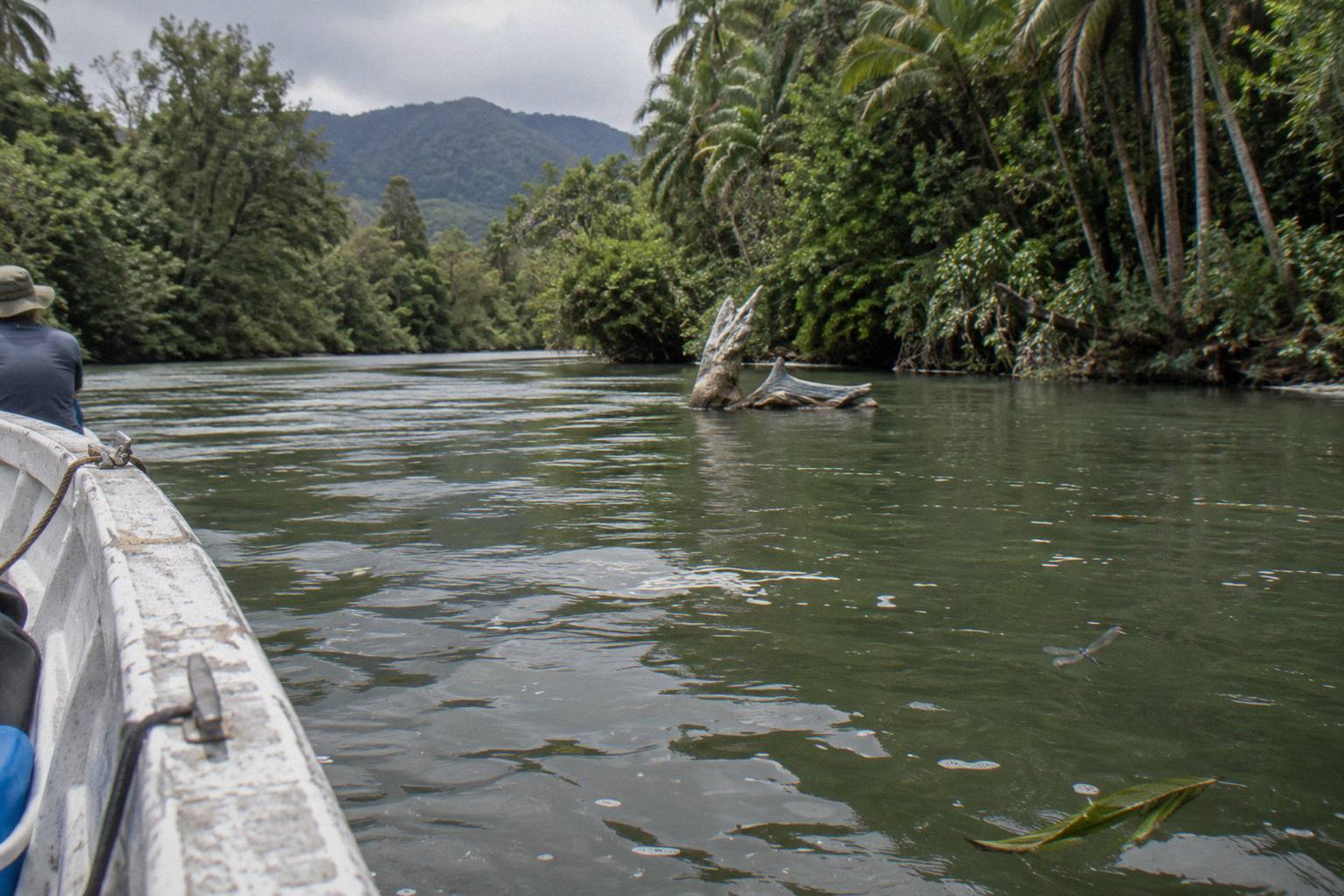
Why No Operator Promises A Wildlife Sighting
No Cairns tubing operator promises a wildlife sighting because animals are not listed on their booking pages, and any encounter depends entirely on the day, the weather, the river level, and the animals themselves; trips are instead sold on the float, the rapids, the guides, and the transfers. If a nature experience is your priority, choose a trip with more time on or beside the water and ask the operator what is typically about.
There is a practical reason the pages read this way. A rainforest river is not a zoo. The operator of the tubing day says the trip takes about 4.5 to 5 hours door to door including transfers, with 1.5 to 2 hours of tubing depending on river and water level. That is a real but bounded window on the water, in moving water, in a group of up to 60 people on the busy half-day float. Animals that can avoid a group of that size generally do. Operators who sell in this region know that a promised platypus or python becomes a refund conversation, so the serious ones describe the river and the ride and leave the fauna to the day.
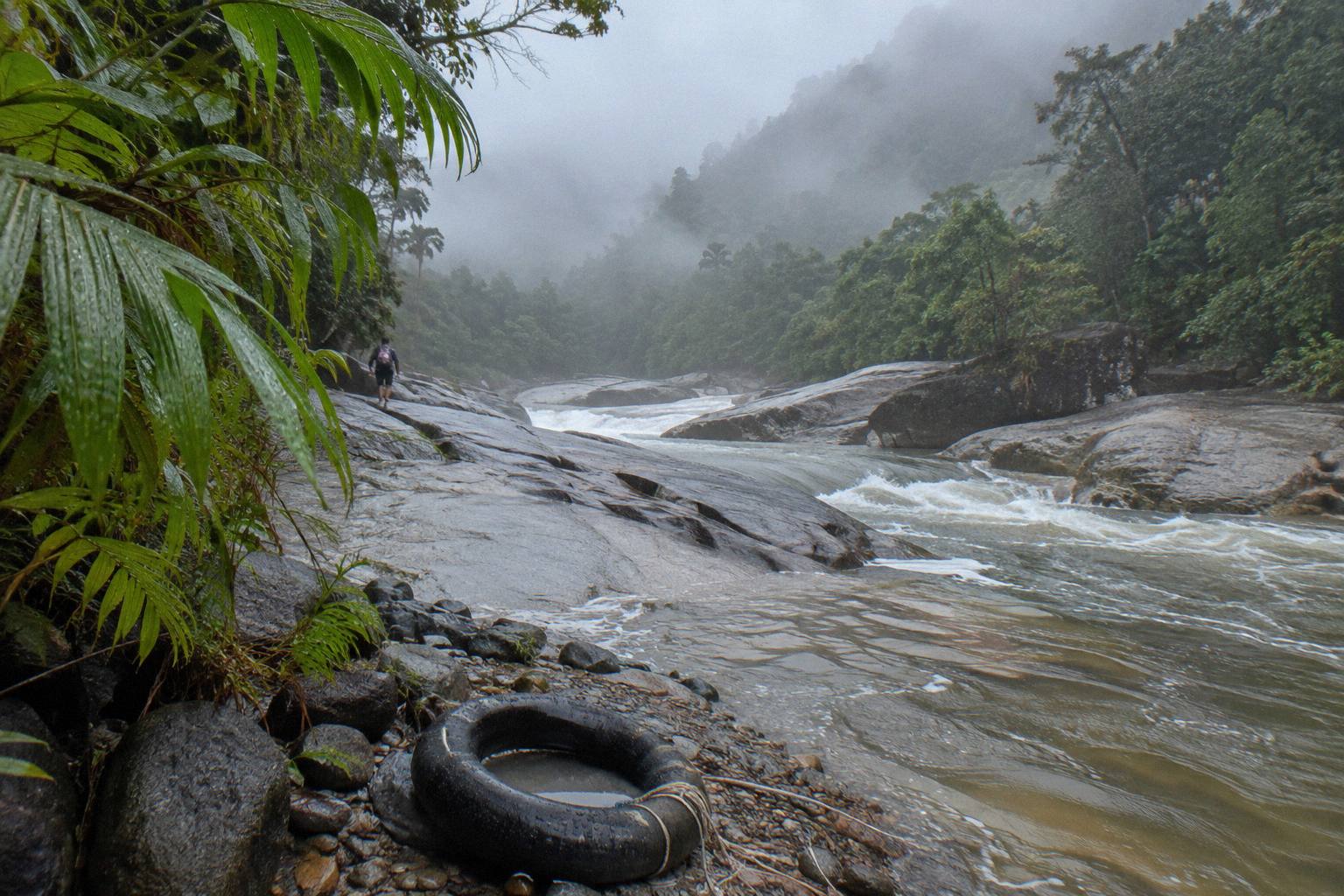
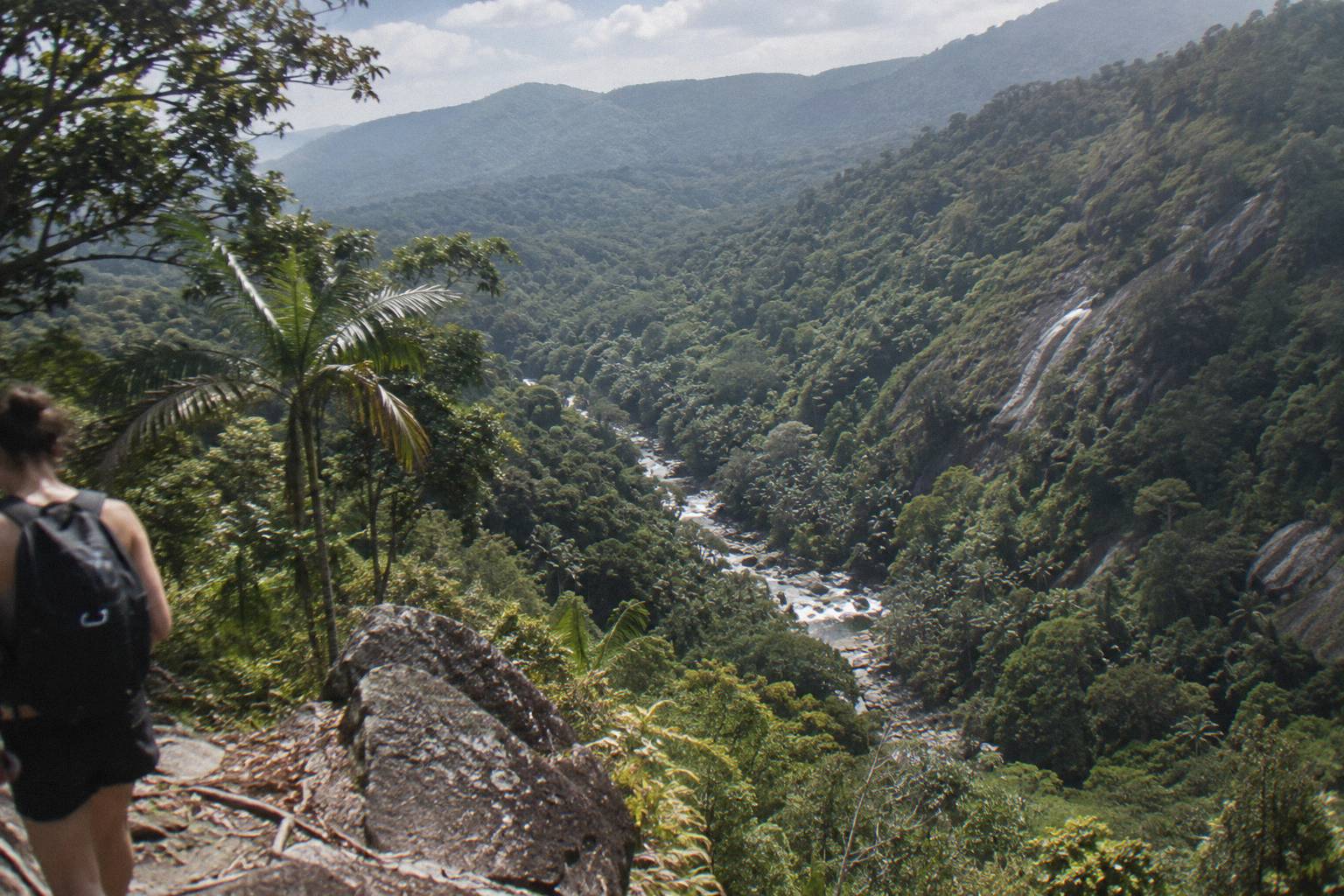
What the pages do state is the setting in words. The Mulgrave is freshwater and flows all year, and its catchment includes the Bellenden Ker and Bartle Frere ranges, which the operator describes as Australia's highest rainfall area. The Daintree side of the region, where the Mossman Gorge River Drift Day runs, sits inside the Wet Tropics, and the National Park pages for Barron Gorge and Daintree describe the rainforest environment those parks protect. This is habitat, described by the bodies that manage it. Habitat sets the real ceiling on what animals any river day can offer.
For a buyer, the useful move is to flip the question. Instead of asking which trip guarantees animals, ask which trip gives you the most hours in that habitat. The Waterfall Tour With Lunch runs 10 hours with hotel pickup and lunch included, from US$127 per person. The Mossman Gorge River Drift Day runs 8 to 10 hours from US$192 per person. The half-day tubing float is 4.5 to 5 hours from US$60 per person, rated 4.7 from 630 reviews. More hours in the rainforest raises the odds of the incidental, never the certainty, and that is a decision about time and budget rather than a promise any page can make for you. Amounts here are US dollars per person.
Wondering whether the float fits the family at all is usually the next question, and the age rules and family angles are covered in the age limits and tips for tubing with kids, which also lists what each booking page states about minimum ages.
Crocodiles And The Official Advice
Official Be Crocwise advice from Queensland is to treat all waterways as Croc Country, since crocodiles can be present in any waterway within their natural range. Crocodiles are the one animal in this region with detailed official advice applying to every waterway, and the state crocodile management plan's three targeted removal zones in the Mulgrave River, at Greenpatch, Peets Bridge and the Little Mulgrave River, are habitat management, never a safety promise.
That is the framing to hold when any page, this one included, discusses the tubing rivers. The Mulgrave, the river most often named for the half-day float, has active management zones because it is crocodile habitat that the state treats seriously. Removal zones mean problem animals in defined stretches are targeted under the management plan. They do not mean crocodiles are absent from the rest of the river, and the government's own advice is blunt: treat all waterways as Croc Country. The crocodile management zones page sets out how the state classifies and manages habitat.
The tubing trip is a guided, commercial operation on waters the operator runs regularly, with a minimum of 2 guides on the water and guides certified with the International Rafting Federation, holding river rescue and first aid training, as the operator states. The choice between the Mulgrave River and Behana Gorge is made on the day by the operator depending on conditions. None of that is a safety claim; it is a description of how the commercial day works. What a reader should take from the official pages is simpler: in crocodile country, the rule is to follow the advice of the people running the water, and the state's advice about any waterway is Be Crocwise.
The same official guidance reaches the other rivers named on the trips here. Queensland Parks states that estuarine crocodiles live in waterways of the lower section of the Barron Gorge National Park, which is the river the Tubing And Barron River Rafting Full Day rafting leg uses. The Daintree pages carry the line: never swim in water where crocodiles may live, even if there is no warning sign present. For a fuller walk through the official wording, the crocodile safety guide for rainforest rivers collects the government statements in one place.
Queensland Parks also gives general water safety wording that belongs on any page about rivers: rivers and creeks may contain hidden dangers and are not patrolled by lifesavers, and during and after heavy rain, creek conditions can change and become dangerous, with fast flowing, rapidly rising water. Rain changes rivers quickly in this region, and the operator says that if river levels or unsafe weather conditions occur, they will contact you prior to departure to discuss options to reschedule or choose an alternative. How that plays out day to day is covered in what happens if it rains on a river tubing tour.
What The Rainforest Setting Actually Gives You
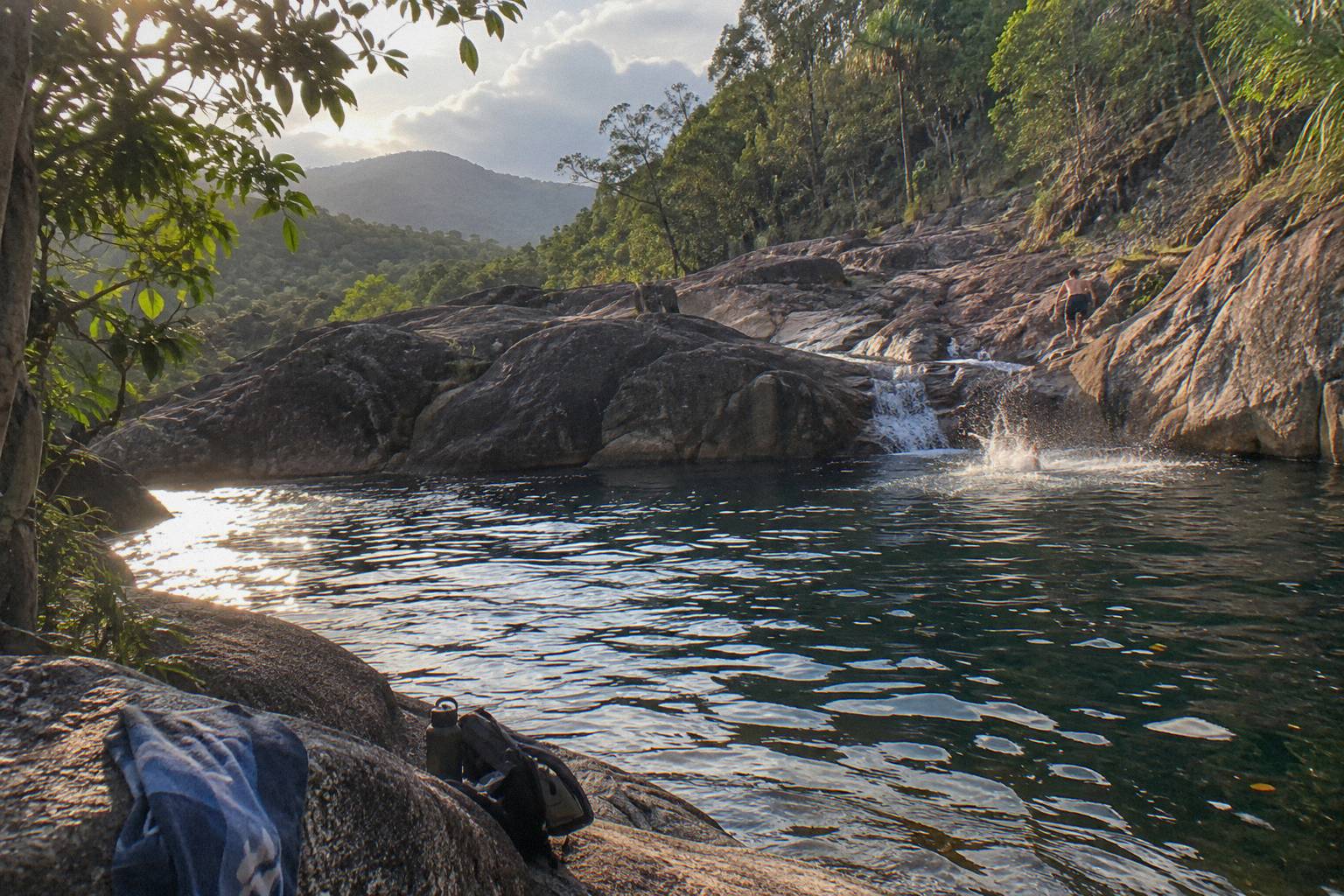
What the rainforest setting gives you is the river itself: a year-round freshwater flow through country whose catchment includes two of the wettest ranges in Australia, and hours spent on that water with guides who work it. The booking pages sell the float through the green, not the animals, so if immersion is the draw, longer days buy more of it.
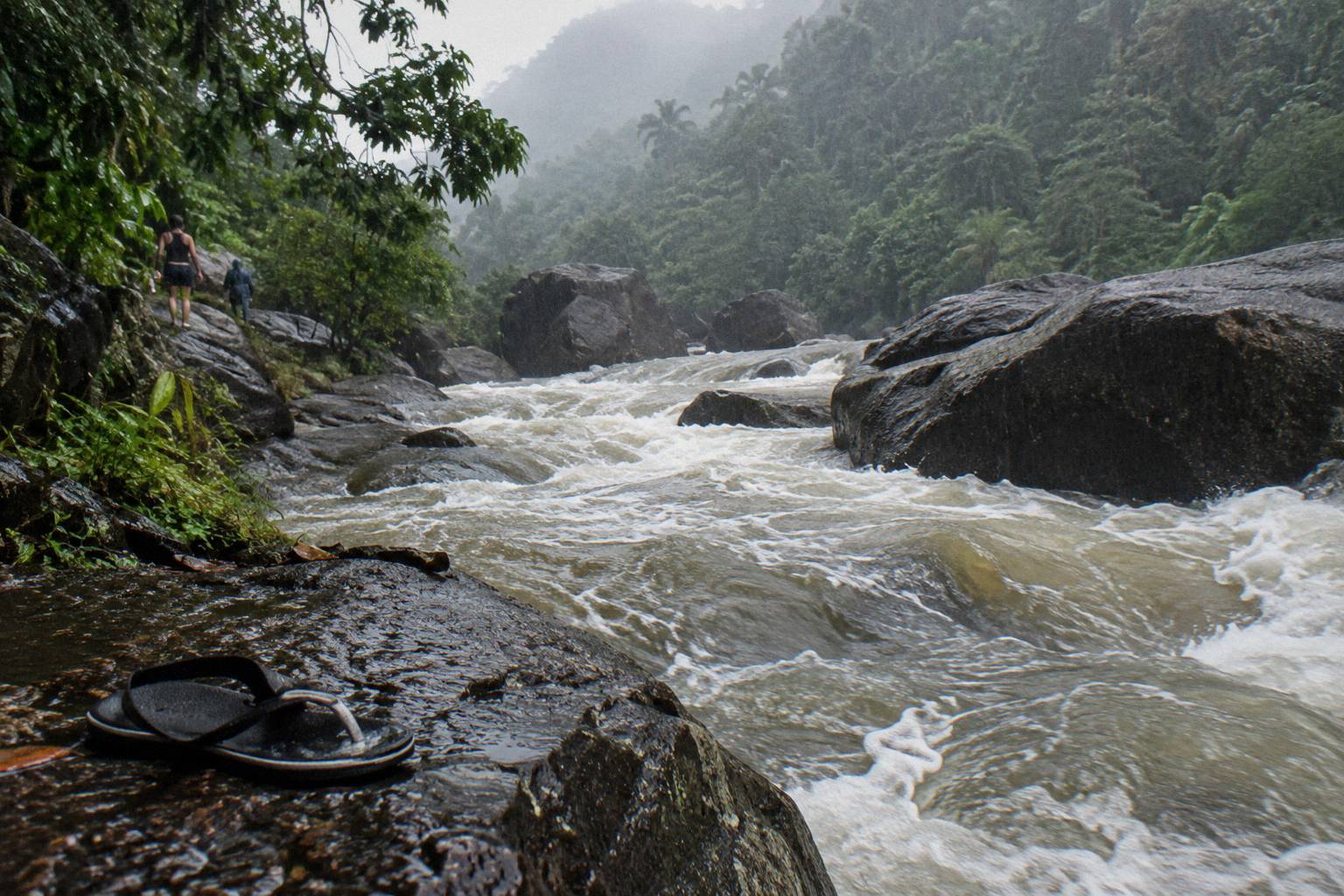
Rain is the engine of this landscape, and the numbers are striking. The Bureau of Meteorology's Cairns Aero averages put February at 436.1 mm of rainfall against 26.9 mm in August, the driest of the listed months, with an annual mean of 2,019.1 mm. Queensland Parks describes December to April as the period of frequent heavy downpours, thunderstorms and the possibility of tropical cyclones around Barron Gorge. Rain shapes the rivers, and the rivers shape the day: the operator picks between the Mulgrave and Behana Gorge on the day depending on conditions, and the amount of tubing time, 1.5 to 2 hours, varies with river and water level.
For animals, rain is a mixed instrument. Freshwater flowing all year through high-rainfall ranges supports the food chains that rainforest wildlife depends on, and the operator's own description of the catchment is effectively a habitat claim. But moving water in the wet months, fast flowing and rapidly rising as the parks wording has it, is not the calm glass of a wildlife cruise. The animals are there because the river is wild; the same wildness is why nobody can schedule an appearance. Planning around the rain is covered in the wet and dry season timing guide, which pairs the rainfall table with what it means for trip timing.
Compare trip formats, because format is the thing you control. The table below lays out the trips that spend meaningful time on or near rainforest water, with the figures the booking pages state.
| Trip | From price per person | Duration | Pickup |
|---|---|---|---|
| Rainforest River Tubing From Cairns | from US$60 | 4.5 to 5 hours | Cairns and Northern Beaches |
| Tubing And Barron River Rafting Full Day | from US$142 | 8 hours | Hotel pickup included |
| Tubing And Jet Boating Day | from US$108 | 5.5 to 6 hours | Cairns pickup, Marlin Marina Berth A1 |
| Mossman Gorge River Drift Day | from US$192 | 8 to 10 hours | Port Douglas and Mossman |
| Waterfall Tour With Lunch | from US$127 | 10 hours | Hotel pickup included |
A river levy of A$20 per person applies on the tubing day, paid on board, and it is not part of the from-price; shoe hire runs at A$5 a pair if required. Those are the only extra amounts to plan for on the float. More hours in the habitat is the one lever a buyer can actually pull, and the full-day combo does that by stacking the tubing river with the Barron rafting run in a single 8 hour day with pickup included.
The jet boat day deserves its own note for a nature-minded buyer, because it splits the day between the rainforest river and the marina. The tubing leg runs on the same chosen river as the half-day float, and the jet boat leg departs from Berth A1 at Marlin Marina, which you join under your own steam. Children's ages for that trip should be confirmed with the operator, since the two booking pages differ, and its start dates are fixed, so the dates on the booking page are worth checking early.
What To Ask The Operator Before You Book
Before you book, ask the operator three questions: which animals are typically about on the rivers they run at that time of year, what the trip does when the river or weather forces a change, and what the rules are on feeding, touching, or approaching anything you encounter. Operators answer these by phone and message, and their replies tell you more than any booking page can.
The first question is the one no page answers. No operator publishes a wildlife list for the tubing or drift rivers, so the only source of real local knowledge is the operator themselves, asked directly about the specific week you plan to travel. Rain, season and river level all move animals, and an operator who runs the Mulgrave every week knows what the week usually holds in a way no description can.
The second question protects the day itself. The operator states that itineraries are subject to change for weather, river and road conditions, and that they will contact you prior to departure to discuss rescheduling or an alternative if river levels or unsafe weather occur. The operator can also cancel for bad weather or a small group on the half-day float. Knowing the process in advance, and checking the free cancellation terms, which are free up to 24 hours on the booking page for all seven trips covered here, turns a weather surprise into a plan.
The third question is about conduct. Rules on feeding or touching wildlife are not confirmed for these trips, so ask the operator when booking rather than assuming. As a general principle in Australian national parks, feeding wildlife is prohibited and disturbing animals is an offence, and a guided trip will have its own house rules on the water. The checklist below gives the full set of questions worth asking, with the reason each one matters.
| Question to ask | Why it matters |
|---|---|
| What animals are usually about on the river at that time of year? | No booking page lists wildlife; the operator holds the local knowledge |
| Which river will the trip run on, Mulgrave or Behana Gorge? | The operator chooses on the day depending on conditions |
| What happens if weather or river levels force a change? | The operator contacts you prior to departure to discuss options |
| What are the rules on feeding or approaching wildlife? | House rules are stated by the operator, not on the booking page |
| What footwear and clothing suit the day? | Secure footwear with a heel strap is required; shoe hire is A$5 a pair |
| Is the pickup time confirmed after booking? | The operator confirms pickup details after booking |
For the practical layer of the day, the what to wear and bring for river tubing guide lists the operator's stated kit list, from swimwear under clothes to a water bottle and the instruction to leave jewellery behind.
Choosing A Trip If The Rainforest Is The Draw
Choose by how many hours you want inside the rainforest and which water you want to be on: the half-day float is the cheapest taste of a rainforest river, the full-day rafting combo packs in two rivers, the drift day from Port Douglas covers the Daintree side, and the 10 hour waterfall tour is the longest day out, with from-prices that make the trade-offs plain.
The half-day float is the entry point: from US$60 per person, 4.5 to 5 hours door to door with hotel pickup from Cairns and the Northern Beaches, rated 4.7 from 630 reviews, with a minimum age of 5, so it takes young children that the other river trips do not. It is the shortest exposure to the rainforest river, and the cheapest, and its pickup footprint is the reason it works for visitors staying in Cairns or Palm Cove. The operator says no tubing experience or swimming ability is required, and that the tour suits confident non-swimmers, with comfort in water and following guide instructions important.
The full-day combo at from US$142 stacks the tubing river with the Barron Gorge rafting run, 8 hours with hotel pickup, minimum age 12, in a group of up to 27. The jet boat day at from US$108 splits its 5.5 to 6 hours between the tubing river and the marina. From Port Douglas or Mossman, the drift day with Back Country Bliss Adventures, from US$192 for 8 to 10 hours with pickup in both towns, is the only river float option with pickup there; where on the Mossman River the drift runs is a question for the operator, and a weight limit applies, so confirm it when booking. The river tubing from Port Douglas transfers and options guide works through that side of the region in detail.
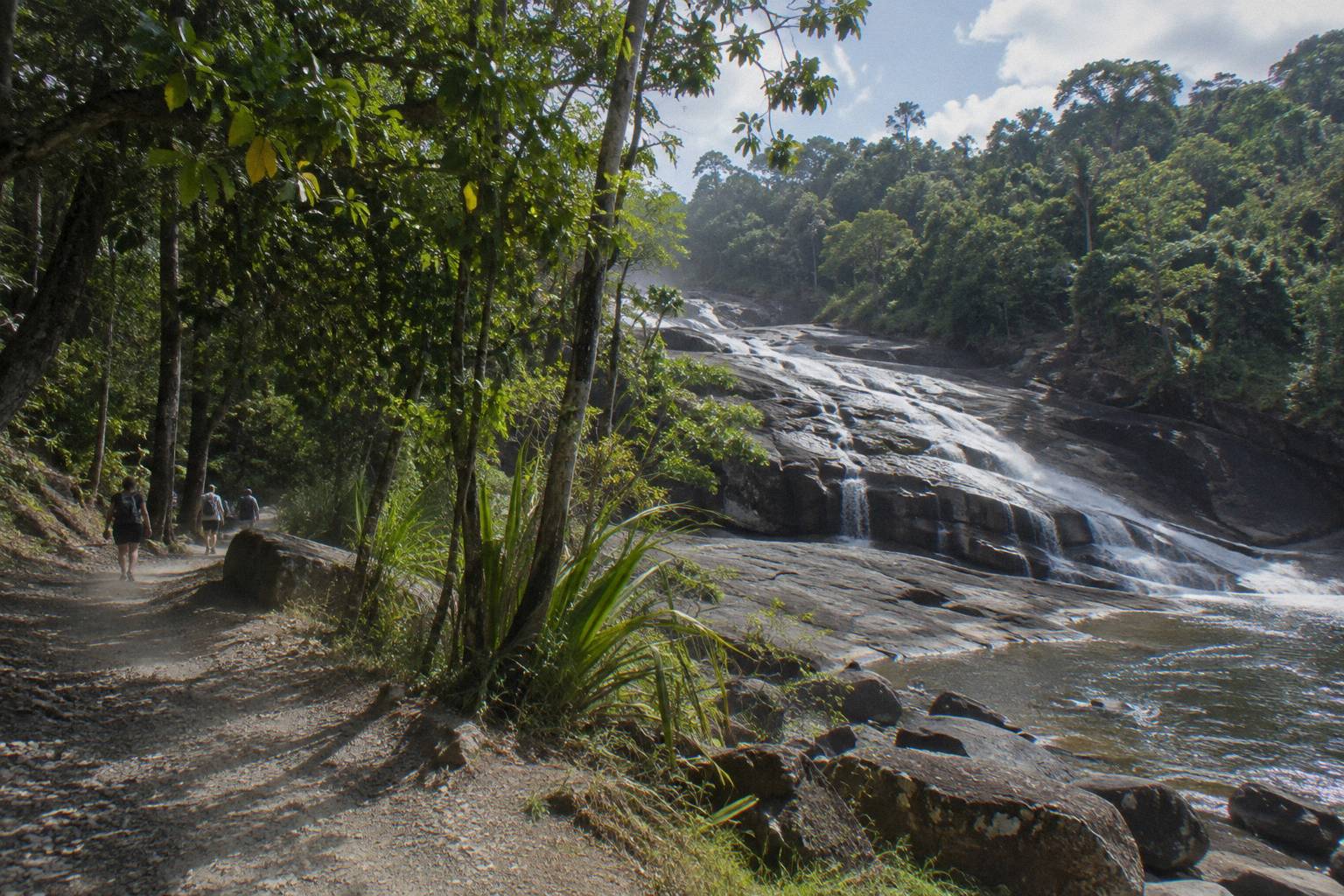
One caution belongs here for anyone mapping the waterfall trips onto wildlife hopes. The Waterfall Tour With Lunch runs 10 hours from US$127, with lunch and hotel pickup included, and Josephine Falls, Babinda Boulders and Millaa Millaa are among its listed stops. Check the itinerary on the listing for the order of the day. Queensland Parks states of Mossman Gorge that swimming at any time can be dangerous and people have died there, with an instruction not to enter the water, and of Josephine Falls that water conditions are unpredictable and flash flooding can occur at any time of year. The Explorer Tour Of Cairns Waterfalls runs 5 hours from US$114. There is no pickup; you meet at Bay 7 of the Reef Fleet Terminal 15 minutes before the trip. For the stops it covers, check the itinerary on the listing. Neither waterfall trip is a wildlife product any more than the river trips are.
The longer thinking on how the two river formats compare, including the drift-versus-tubing question for confident floaters, is laid out in tubing or drift snorkelling, which float suits you.
Common Mistakes When Planning A Nature-Focused Float
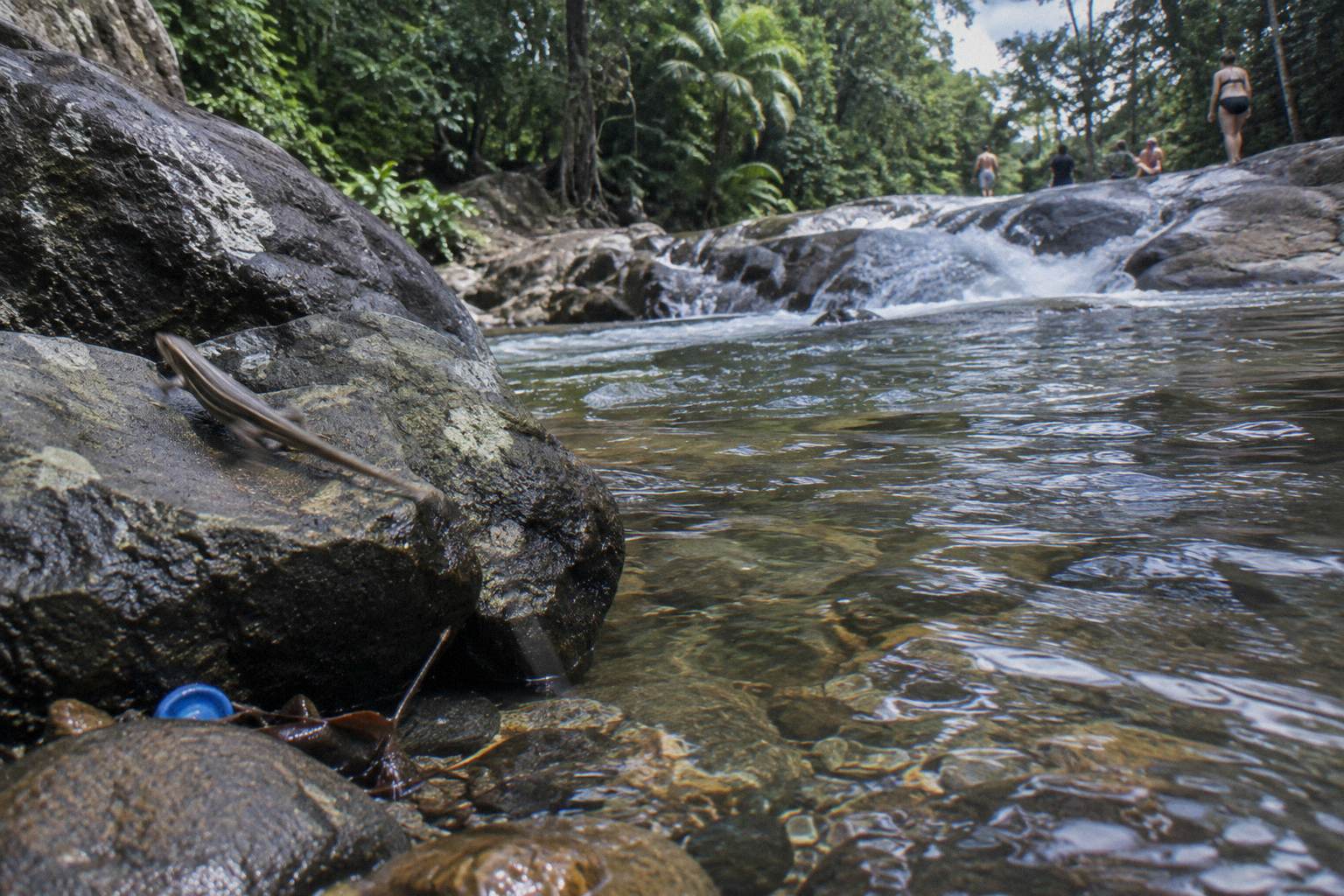
The common mistakes are booking a river trip expecting a wildlife tour, skipping the question to the operator, and treating any single waterway as free of the region's one well-managed hazard. Each one is avoidable with a phone message before payment. Trips here sell the river and the ride, and the animals remain a matter of luck, season and silence.
The first mistake is the headline one. A visitor who books a float expecting a guided nature commentary is buying the wrong product, and the disappointment is self-inflicted. The booking pages are explicit about what is included: on the half-day float, safety equipment, a twin-chamber tube, a professional guide, hotel pickup and an air-conditioned vehicle. Wildlife is not on that list, and asking the operator what is typically about on the river is the step that closes the gap between expectation and product.
The second mistake is not asking about the day's mechanics. The river is chosen on the day, the tubing window varies with water level, and weather can reschedule the whole outing. A buyer who knows the free cancellation terms, free up to 24 hours on the booking page, and who has asked what happens in a washout, plans a rainforest day that bends instead of breaks. A buyer who has not asked treats a reschedule as a ruined holiday, when the operator's stated process is contact before departure to discuss options.
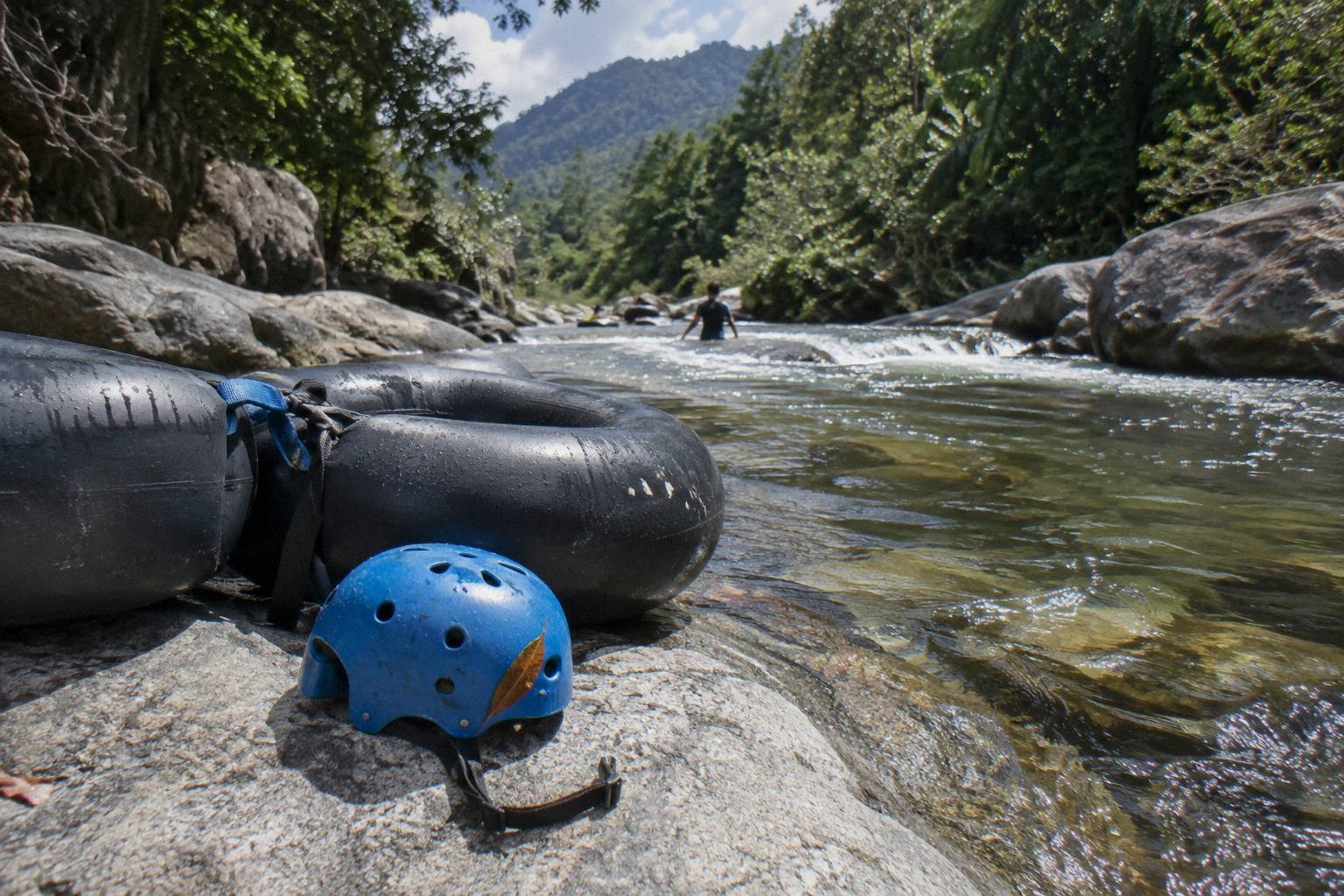
The third mistake is the crocodile version of wishful thinking, assuming that a commercially run river must therefore be clear of the animal the state manages those same rivers for. The Queensland Government position is the opposite: treat all waterways as Croc Country, and the Mulgrave carries three targeted removal zones as habitat management. That fact stands as the operating reality of freshwater in the tropics, neither a reassurance nor a further warning, and the guided trip with its certified guides is the standard way visitors engage with it. Cairns River Tubing exists to keep exactly these official statements and booking-page facts in one place, so the planning happens on real figures.
A fourth, smaller mistake is forgetting the kit. Secure footwear with a heel strap is on the operator's bring list, shoe hire is A$5 a pair, and a river levy of A$20 per person is paid on board and sits outside the from-price. None of it affects the wildlife odds, but all of it affects the day.
Common Questions About Wildlife And River Tubing
What Wildlife Might You See While River Tubing In The Rainforest?
No operator promises or lists wildlife for the tubing or drift rivers, so nothing can be stated as expected. The setting is genuine rainforest habitat: the Mulgrave River is freshwater flowing all year through a catchment the operator calls Australia's highest rainfall area, and the trip choice between the Mulgrave and Behana Gorge is made on the day. Ask the operator what is typically about at that time of year; the animals themselves decide the rest.
Does The Tubing Tour Guarantee Animal Sightings?
No. No booking page for any trip covered here guarantees a sighting of any animal, and no guarantee appears anywhere in the operator's stated terms. The float is sold on the river, the rapids, the guides and the transfers, from US$60 per person for the half-day with pickup included.
Are There Crocodiles In The Tubing Rivers?
The Queensland Government's Be Crocwise advice is to treat all waterways as Croc Country, and the Mulgrave River sits within the state crocodile management plan, with targeted removal zones at Greenpatch, Peets Bridge and the Little Mulgrave River. That is habitat management, not a safety promise. The tubing trip runs on the Mulgrave River or Behana Gorge, chosen on the day by the operator.
Which Trip Gives The Most Time In The Rainforest?
By stated duration, the Waterfall Tour With Lunch at 10 hours from US$127 per person, and the Mossman Gorge River Drift Day at 8 to 10 hours from US$192 per person. The Tubing And Barron River Rafting Full Day runs 8 hours from US$142. More hours in the habitat raises the odds of incidental sightings without ever promising one.
Can You Swim With Wildlife On These Trips?
No trip here is sold as a wildlife swimming experience, and several of the region's named swimming spots carry official warnings: Queensland Parks states swimming at Mossman Gorge at any time can be dangerous and that people have died there, and Josephine Falls has unpredictable water conditions with possible flash flooding at any time of year. Follow the operator's instructions on the water at all times.
What Should You Ask The Operator About Wildlife Before Booking?
Three questions cover it: what animals are typically about on the rivers at that time of year, what happens if weather or river levels force a change, and what the house rules are on feeding or approaching anything encountered. Cancellation is free up to 24 hours on the booking page for every trip covered here.